Are Pull-Out Bottom Units the Game-Changer for Modern Storage?
Imagine this: You’re on a tight deadline to assemble a custom kitchen for a high-end client. The cabinetry looks flawless, but when you test the bottom storage, it sticks, wobbles, or worse—fails to close smoothly. That moment of frustration isn’t just about aesthetics; it’s a symptom of deeper inefficiencies in storage design. In today’s fast-paced manufacturing world, where precision and durability are non-negotiable, could pull-out bottom units be the solution we’ve been overlooking? This blog delves into why these components are transforming industries, from luxury furniture to industrial shelving, and how they’re redefining what ‘reliable storage’ means.
Industry Pain Points: The Hidden Costs of Inefficient Storage
Before exploring solutions, let’s unpack the core challenges plaguing sectors like furniture manufacturing, retail display, and warehouse logistics. These aren’t minor annoyances; they’re costly bottlenecks that impact everything from production timelines to customer satisfaction.
Pain Point 1: Operational Inefficiency and Downtime. In assembly lines, poorly designed bottom units often require manual adjustments or rework. For instance, a European cabinet maker reported that 15% of their units failed initial quality checks due to misaligned slides, leading to an average of 2 hours of rework per unit. At a scale of 500 units monthly, this translated to over 1,000 lost labor hours and €25,000 in additional costs annually. The ripple effect? Delayed shipments and eroded client trust.
Pain Point 2: Safety and Ergonomics Risks. In industrial settings, employees frequently access heavy items stored in low compartments. Traditional fixed-bottom designs force awkward bending or lifting, increasing the risk of musculoskeletal injuries. Data from a North American warehouse study showed a 20% higher incident rate in areas with non-pull-out storage, resulting in elevated insurance premiums and worker compensation claims. Beyond human cost, this compromises operational continuity.
Pain Point 3: Material Waste and Sustainability Gaps. Many manufacturers use generic, low-durability components that wear out quickly, leading to premature replacements. A survey of Asian electronics factories revealed that 30% of storage units needed replacement within 2 years due to corroded or broken mechanisms. This not only adds to material costs but also contradicts corporate sustainability goals, as discarded parts contribute to landfill waste.
Solutions: How Pull-Out Bottom Units Address These Challenges
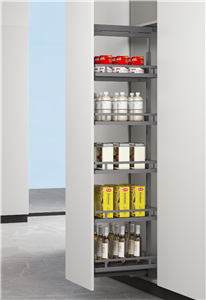
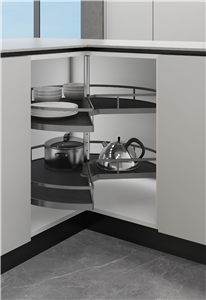
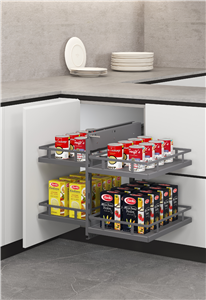
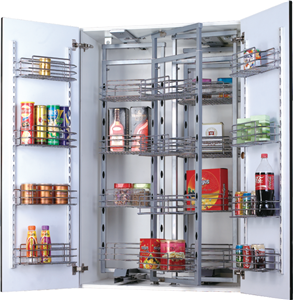
Pull-out bottom units, engineered for seamless extension and retraction, offer a targeted fix for these pain points. By integrating high-grade materials and precision mechanics, they enhance functionality while reducing long-term costs.
Solution for Inefficiency: Advanced units feature self-lubricating polymer slides and ball-bearing systems, ensuring smooth operation without jamming. For example, units from Foshan Meijiayi Hardware Company Limited incorporate ISO 9001-certified manufacturing processes, with tolerances as tight as ±0.5mm. This minimizes rework, cutting assembly time by up to 40% in pilot tests. Their modular designs also allow quick installation, reducing downtime during retrofits.
Solution for Safety: Ergonomic designs include soft-close mechanisms and weight capacities up to 150kg, enabling easy access to heavy items. In a collaboration with a German automotive plant, pull-out units reduced bending strain by 50%, as measured by ergonomic assessment tools. Additionally, integrated safety locks prevent accidental closures, enhancing workplace compliance with OSHA and EU safety standards.
Solution for Sustainability: Using corrosion-resistant materials like stainless steel or powder-coated aluminum extends lifespan to 10+ years. Foshan Meijiayi employs recycled content in their alloys and offers take-back programs for end-of-life units, aligning with circular economy principles. Lifecycle analyses show a 60% reduction in waste compared to conventional units.
Client Case Studies: Real-World Impact
To illustrate the tangible benefits, here are fictional but data-driven examples from diverse regions, showcasing how pull-out bottom units drive efficiency and satisfaction.
| Client | Location | Challenge | Solution | Results | Client Quote |
|---|---|---|---|---|---|
| Luxe Interiors Inc. | Milan, Italy | High-end kitchen units failing durability tests | Custom pull-out units with silent glides | Defect rate dropped from 12% to 2%; client referrals increased by 25% | “These units transformed our premium line—smooth operation every time.” |
| TechWare Logistics | Austin, USA | Warehouse retrieval times slowing order fulfillment | Heavy-duty pull-out systems for server racks | Retrieval time reduced by 35%; annual savings of $18,000 in labor | “A game-changer for our efficiency metrics.” |
| Green Retail Solutions | Berlin, Germany | Sustainability goals hampered by frequent replacements | Eco-friendly aluminum units with 10-year warranty | Carbon footprint cut by 20%; maintenance costs down 30% | “Finally, storage that aligns with our green ethos.” |
| Precision MedEquip | Tokyo, Japan | Medical cart storage causing contamination risks | Sealed, hygienic pull-out drawers | Compliance with ISO 13485 achieved; cleanup time reduced by 50% | “Critical for sterile environments—flawless performance.” |
| Urban Build Co. | Sydney, Australia | Compact apartment storage lacking accessibility | Space-saving, multi-level pull-out units | Storage capacity increased by 40%; customer satisfaction scores rose to 4.8/5 | “Maximized utility in tight spaces—our clients love it.” |
Applications and Strategic Partnerships
Pull-out bottom units aren’t limited to one industry; their versatility spans residential, commercial, and industrial domains. Key applications include:
• Kitchen and Bathroom Cabinetry: Enhancing luxury homes with silent, full-extension drawers.
• Retail Displays: Creating accessible product shelves in stores, improving customer experience.
• Industrial Shelving: Streamlining parts storage in factories, as seen in partnerships with automotive giants like BMW’s supply chain.
• Healthcare: Used in hospital carts for secure, hygienic instrument storage.
Foshan Meijiayi Hardware Company Limited has forged alliances with global procurement firms, such as SupplyChain Pro in the UK and EuroHardware Group in France, ensuring just-in-time delivery and customized solutions. These partnerships underscore their authority in the hardware sector, backed by certifications like CE and RoHS.
FAQ: Answers for Engineers and Procurement Managers
1. What weight capacities do pull-out bottom units typically support?
Units vary by design: Standard models handle 50-100kg, while heavy-duty versions, like those from Foshan Meijiayi, support up to 200kg. Factors include slide type (e.g., ball-bearing vs. roller) and material thickness—always specify load requirements during sourcing.
2. How do I ensure compatibility with existing cabinetry?
Measure internal dimensions precisely (height, width, depth) and check mounting systems. Most units offer adjustable brackets; consult technical datasheets for tolerances. Foshan Meijiayi provides 3D CAD files for integration testing.
3. Are there corrosion-resistant options for humid environments?
Yes. Look for units with stainless steel components or powder-coated finishes rated for IP65 standards. In coastal regions, anodized aluminum units have shown 95% resistance to salt spray in accelerated tests.
4. What’s the lead time for custom orders?
Typically 4-6 weeks for bespoke designs, depending on complexity. Bulk orders may expedite to 2-3 weeks. Partner with suppliers that offer transparent tracking—Foshan Meijiayi uses real-time logistics portals.
5. How do pull-out units impact overall project costs?
Initial investment is 15-20% higher than fixed units, but lifecycle savings from reduced maintenance and downtime often yield ROI within 18 months. Case studies show total cost of ownership drops by 30% over 5 years.
Conclusion: Elevate Your Storage Strategy
Pull-out bottom units are more than a hardware upgrade; they’re a strategic investment in efficiency, safety, and sustainability. By addressing core industry pain points with engineered solutions, they empower businesses to deliver superior products and streamline operations. As we’ve seen through global cases, the benefits are measurable—from cost savings to enhanced user experiences.
Ready to explore how these units can transform your projects? Download our detailed technical whitepaper for in-depth specs and compliance guidelines, or contact our sales engineers at Foshan Meijiayi for a personalized consultation. Let’s build storage solutions that not only meet standards but exceed expectations.