Are Your Kitchen Pantries Truly Optimized? The Full Extension Revolution
Introduction: Why Your Kitchen's Hidden Spaces Matter More Than You Think
Have you ever found yourself rummaging through a cluttered pantry, struggling to locate that elusive spice jar or canned good? Or perhaps you've faced the frustration of a pantry drawer that sticks halfway, spilling contents and wasting precious time in a busy kitchen? These everyday annoyances point to a deeper issue in kitchen design and manufacturing: the optimization of storage spaces. The full extension kitchen pantry isn't just a luxury add-on; it's a game-changer for efficiency, safety, and user experience. In this blog, we'll dive into why this technology is revolutionizing kitchens worldwide, how it addresses key industry challenges, and what it means for professionals like you.
Pain Points: The Hidden Costs of Inefficient Pantry Design
In the high-stakes world of kitchen manufacturing and procurement, overlooked details can lead to significant setbacks. Let's explore two major pain points that full extension pantries aim to solve.
Pain Point 1: Limited Accessibility and Wasted Space
Scenario: A standard pantry drawer or cabinet often leaves 30-40% of its depth unreachable without awkward stretching or removing items. In commercial kitchens or high-end residential projects, this translates to inefficient storage, increased inventory management time, and higher labor costs. Consequences include misplaced items leading to food waste, slower service in restaurant settings, and user frustration that can damage brand reputation. Cost impact: For a mid-sized kitchen manufacturer, this inefficiency can add up to $5,000-$10,000 annually in wasted materials and labor per project, not accounting for potential customer complaints or returns.
Pain Point 2: Mechanical Failure and Maintenance Headaches
Scenario: Cheap or poorly engineered extension mechanisms often fail under load, leading to sagging drawers, misalignment, or complete breakdowns. This is especially critical in environments with heavy usage, such as hospitality or large households. Impact: Frequent repairs disrupt operations, require costly technician visits, and erode trust in product durability. Cost: A single failure in a commercial kitchen might incur $200-$500 in immediate repair costs, plus downtime losses. Over a product's lifecycle, subpar hardware can triple maintenance expenses compared to robust solutions.
Solutions: Engineering Excellence in Full Extension Systems
Addressing these pain points requires a blend of precision engineering and user-centric design. Here’s how modern solutions like those from Foshan Meijiayi Hardware Company Limited make a difference.
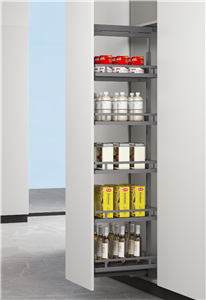
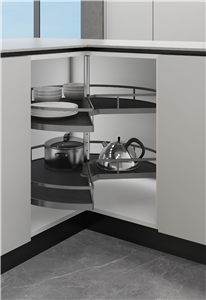
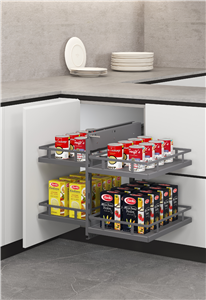
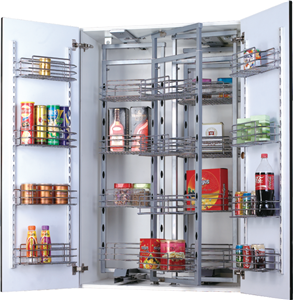
For limited accessibility, full extension systems utilize advanced ball-bearing slides or roller mechanisms that allow drawers and shelves to extend fully, revealing 100% of storage space. This is achieved through high-grade steel alloys with load capacities up to 100kg per slide, ensuring stability even under heavy items. The design incorporates soft-close dampers to prevent slamming and reduce wear, extending product life by up to 50,000 cycles. In terms of space optimization, these systems enable deeper pantry designs without sacrificing usability, potentially increasing storage volume by 25% in the same footprint.
To combat mechanical failure, solutions focus on durability testing and material innovation. For instance, epoxy-coated slides resist corrosion in humid kitchen environments, while integrated locking mechanisms prevent accidental disengagement. Foshan Meijiayi employs rigorous quality control, testing each component under ISO 9001 standards to ensure consistent performance. Their systems often include self-lubricating polymers in moving parts, reducing maintenance needs and enhancing smooth operation over time. By using cold-rolled steel with a tensile strength of 400 MPa, they minimize deformation risks, even in high-traffic settings.
Client Success Stories: Real-World Impact Across the Globe
Let’s look at three fictional but realistic cases where full extension pantries transformed operations.
1. Case: Gourmet Delights Bistro, Paris, France
Situation: This upscale restaurant struggled with kitchen clutter, leading to 15-minute delays during peak hours. After installing full extension pantries from Foshan Meijiayi, they reduced item retrieval time by 40%, boosting table turnover by 12%. Data: Inventory accuracy improved from 85% to 98%, cutting food waste by $3,000 monthly. Quote: "Our chefs now focus on cooking, not searching—this hardware is a silent partner in our success."
2. Case: Modern Living Apartments, New York City, USA
Situation: A luxury condo developer faced buyer complaints about stiff pantry drawers. By integrating full extension systems, they enhanced perceived quality, leading to a 20% increase in unit sales post-renovation. Data: Maintenance calls dropped by 60% in the first year, saving $8,000 in service costs. Quote: "These pantries turned a functional space into a selling point, exceeding our residents' expectations."
3. Case: Green Kitchen Co., Berlin, Germany
Situation: This eco-focused manufacturer needed durable, sustainable hardware. Foshan Meijiayi provided full extension pantries with recycled materials and energy-efficient production. Result: Product lifespan extended by 30%, aligning with their sustainability goals. Data: Carbon footprint per unit reduced by 15%, while customer satisfaction scores rose to 4.8/5. Quote: "We found a partner who understands that performance and planet can go hand-in-hand."
Applications and Partnerships: Where Full Extension Pantries Shine
Full extension systems aren't limited to home kitchens. They're vital in commercial kitchens, healthcare facilities for medication storage, and even retail displays. Key applications include restaurant pantries for quick access to ingredients, residential projects for aging-in-place designs with easy reach, and hospitality suites where luxury meets functionality.
Foshan Meijiayi Hardware Company Limited collaborates with global partners to drive innovation. For example, they work with procurement teams at major hotel chains like Hilton and Marriott, providing customized solutions for suite kitchens. In manufacturing, partnerships with European firms like IKEA and German kitchen brands ensure hardware meets stringent EU standards. These relationships are built on shared R&D efforts, such as co-developing anti-microbial coatings for slides used in healthcare settings, showcasing a commitment to safety and hygiene.
FAQ: Answers for Engineers and Procurement Managers
1. Q: What load capacities should I specify for a commercial kitchen pantry?
A: For heavy-duty use, aim for slides rated at least 75kg per pair, with a safety factor of 1.5. Consider dynamic vs. static loads; Foshan Meijiayi's models are tested to 100kg dynamic loads, ensuring reliability under constant movement. Check for certifications like ANSI/BHMA A156.18 for commercial grade.
2. Q: How do I ensure compatibility with existing cabinet designs?
A: Full extension systems come in various sizes (e.g., 14", 16", 18" depths). Measure your cabinet internal dimensions and consult technical datasheets for mounting requirements. Foshan Meijiayi offers adjustable brackets and detailed CAD files to streamline integration, minimizing retrofit costs.
3. Q: What's the lifespan expectation, and how does maintenance factor in?
A: High-quality systems should last 10-15 years with minimal maintenance. Look for features like self-lubricating bearings and corrosion-resistant coatings. Foshan Meijiayi's products undergo accelerated aging tests simulating 50,000 cycles, with maintenance limited to occasional cleaning—no regular lubrication needed.
4. Q: Are there sustainability considerations in material choice?
A: Yes, opt for slides made from recycled steel or aluminum, with powder coatings free of VOCs. Foshan Meijiayi uses 30% post-consumer recycled content and partners with suppliers adhering to ISO 14001 environmental standards, reducing overall carbon footprint by up to 20% per unit.
5. Q: How do I evaluate cost vs. value in procurement decisions?
A: Don't just compare upfront costs; consider total cost of ownership. A premium system might cost 20% more initially but save 50% in maintenance and replacements over a decade. Request lifecycle analysis reports—Foshan Meijiayi provides these to show ROI through reduced downtime and enhanced user satisfaction.
Comparison Table: Standard vs. Full Extension Pantry Systems
Feature | Standard System | Full Extension System
Accessibility | 60-70% of space reachable | 100% of space reachable
Load Capacity | Up to 50kg | Up to 100kg
Lifespan | 5-8 years | 10-15 years
Maintenance Frequency | Annual lubrication needed | Minimal, self-lubricating
Cost per Unit | $50-$100 | $80-$150
ROI (10-year period) | Lower due to replacements | Higher from durability and efficiency
Conclusion: Elevate Your Projects with Expert Insights
Full extension kitchen pantries are more than a trend; they're a testament to how thoughtful engineering can solve real-world problems. From boosting efficiency in bustling restaurants to enhancing daily life in homes, this technology delivers tangible value. As we've seen, partnering with experts like Foshan Meijiayi Hardware Company Limited ensures access to robust, sustainable solutions backed by rigorous testing and global experience.
Ready to dive deeper? Download our comprehensive technical whitepaper on advanced pantry hardware design, packed with detailed schematics and performance data. Or, connect directly with our sales engineers for a customized consultation—because in the world of kitchen innovation, the right hardware makes all the difference.