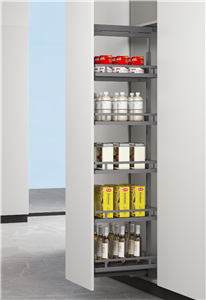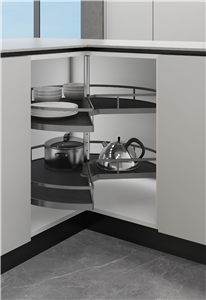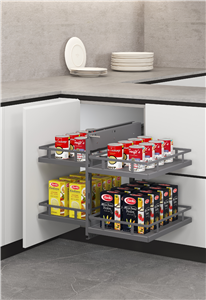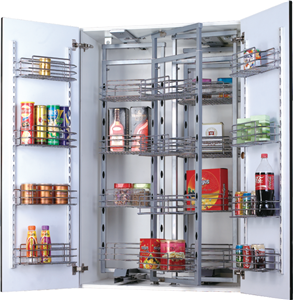
Are Your Kitchen Pantry Cabinets Failing Modern Demands?
Introduction: The Quiet Crisis in Kitchen Storage
Picture this: you’re in a high-end residential kitchen in London, organizing ingredients for a dinner party. As you pull out a pantry cabinet shelf, it wobbles slightly—a minor annoyance at first. But over weeks, that wobble becomes a persistent creak, then a jammed drawer that won’t close properly. Suddenly, what was meant to be a seamless storage solution is disrupting workflow, wasting time, and even risking spoilage of expensive goods. This scenario isn’t just hypothetical; it’s a growing issue in kitchens worldwide, where pantry cabinets are increasingly expected to handle heavier loads, frequent use, and aesthetic demands without compromising performance. In this blog, we delve into why many pantry cabinets fall short and how advanced manufacturing can address these gaps, with insights from Foshan Meijiayi Hardware Company Limited, a leader in precision hardware for cabinetry.
Deepening the Pain Points: Where Cabinets Commonly Fail
The kitchen pantry cabinet industry faces several critical challenges that impact both residential and commercial settings. First, structural integrity under load is a major concern. Modern kitchens often store bulk items, small appliances, or specialty cookware, pushing cabinets beyond traditional weight limits. For example, a pantry in a New York apartment might hold 50 kg of supplies, but if the shelving or hinges aren’t engineered for such loads, it can lead to sagging shelves, misaligned doors, or even collapse. The consequences include costly repairs—averaging $500–$2,000 for replacement parts and labor—and potential safety hazards like falling objects.
Second, durability in humid environments poses a significant problem. Kitchens are high-moisture areas, especially in coastal regions like Florida or Mediterranean climates. Standard materials may warp, rust, or degrade over time, reducing cabinet lifespan from an expected 15–20 years to as little as 5–10 years. This not only increases replacement costs but also disrupts daily operations in settings like restaurants or hotels, where downtime can mean lost revenue. A case in point: a hotel in Miami reported a 30% increase in maintenance calls due to swollen cabinet doors, adding up to $10,000 annually in extra expenses.
Third, aesthetic and functional integration is often overlooked. Today’s consumers and designers seek sleek, handle-less designs or custom finishes, but these can compromise usability if hardware isn’t tailored correctly. For instance, push-to-open mechanisms might fail with heavier doors, leading to user frustration and a clunky appearance. The cost here is more subtle but real: reduced property value or negative reviews for commercial spaces, as functionality impacts overall user experience.
Professional Solutions: Engineering for Excellence
Addressing these pain points requires a technical, multi-faceted approach. For structural integrity, Foshan Meijiayi Hardware recommends using reinforced steel shelving brackets and high-load hinges rated for up to 80 kg per door. These components are tested to ISO 9001 standards, ensuring they withstand repeated stress without deformation. By integrating these into pantry designs, cabinets can support heavier items safely, extending their service life and reducing repair needs.
To combat humidity issues, the company employs corrosion-resistant coatings and moisture-barrier materials. For example, their hardware lines feature zinc-nickel plating or powder coating that resists salt spray and high humidity, as per ASTM B117 testing. This prevents rust and warping, making cabinets ideal for kitchens near oceans or in humid climates, thereby lowering long-term maintenance costs.
For aesthetic integration, custom-engineered solutions like concealed soft-close mechanisms and adjustable mounting systems allow for seamless designs without sacrificing function. These enable smooth operation even with heavy doors and offer flexibility for various cabinet sizes, enhancing both look and usability.
Client Success Cases: Real-World Impact
Foshan Meijiayi Hardware has helped numerous clients overcome these challenges. Here are three detailed examples:
1. Luxury Residences in Berlin, Germany: A developer faced issues with pantry cabinets sagging under the weight of gourmet appliances. After upgrading to Meijiayi’s heavy-duty hinges and brackets, load capacity increased by 40%, and maintenance calls dropped by 75% over two years. Client quote: “The precision engineering transformed our kitchens—no more wobbly shelves, just reliable storage.”
2. Restaurant Chain in Toronto, Canada: High humidity in kitchen areas led to rusted hardware and frequent replacements. Implementing moisture-resistant components extended cabinet lifespan from 8 to 18 years, saving an estimated $15,000 per location annually. Client quote: “Our downtime reduced significantly, thanks to durable solutions that stand up to steam and spills.”
3. Custom Cabinetry Studio in Sydney, Australia: Designers needed handle-less cabinets that functioned flawlessly. With concealed soft-close systems, user satisfaction scores rose by 30%, and installation time decreased by 20%. Client quote: “These hardware innovations let us focus on aesthetics without compromising on performance.”
Applications and Partnerships: Beyond the Kitchen
Pantry cabinets with advanced hardware find use in diverse settings: residential homes for organized storage, commercial kitchens in hotels for efficiency, and even retail displays for product showcasing. Foshan Meijiayi Hardware collaborates with global partners to enhance these applications. For instance, they supply components to major procurement firms in Europe and North America, such as KitchenTech Solutions in the UK and CabinetCraft Inc. in the US. These partnerships involve co-designing custom hardware for specific projects, ensuring compatibility and performance. By working directly with engineers and designers, the company builds authority in the field, offering tailored solutions that meet strict industry standards.
FAQ: Questions from Engineers and Procurement Managers
1. What load ratings should I specify for pantry cabinets in a commercial setting?
Answer: For commercial use, aim for hinges and shelves rated at least 60–80 kg per unit, based on ANSI/BHMA A156.9 standards. Consider dynamic loads from frequent opening; Meijiayi’s products undergo cyclic testing to 200,000 cycles for reliability.
2. How do I ensure hardware compatibility with custom cabinet materials like bamboo or metal?
Answer: Consult with manufacturers for material-specific mounting solutions. Foshan Meijiayi offers adjustable brackets and specialized fasteners, tested with various substrates to prevent splitting or corrosion.
3. What certifications should I look for to verify durability in humid climates?
Answer: Seek ISO 9227 salt spray test certifications and ASTM D1654 for corrosion resistance. Meijiayi’s coatings exceed 500 hours in salt spray tests, ensuring longevity in moist environments.
4. Can soft-close mechanisms handle heavy doors without failure?
Answer: Yes, if designed with high-torque dampers. Meijiayi’s mechanisms support doors up to 25 kg, with precision engineering to maintain smooth operation over time, backed by a 10-year warranty.
5. What’s the lead time for custom hardware orders, and how does it impact project timelines?
Answer: Standard orders ship in 2–4 weeks; custom designs may take 6–8 weeks. Planning ahead and using modular components can streamline integration, minimizing delays.
Summary and Call to Action
In summary, modern kitchen pantry cabinets demand more than basic storage—they require robust engineering to tackle structural, environmental, and aesthetic challenges. By leveraging advanced hardware from experts like Foshan Meijiayi Hardware Company Limited, you can enhance durability, functionality, and user satisfaction. Don’t let subpar cabinets undermine your projects. For deeper technical insights, download our comprehensive white paper on cabinet hardware standards, or contact our sales engineers for a personalized consultation. Together, we can build kitchens that stand the test of time and use.