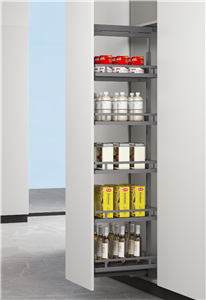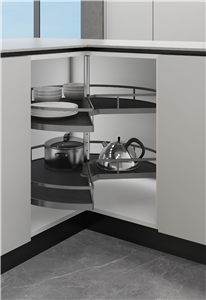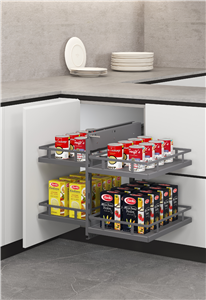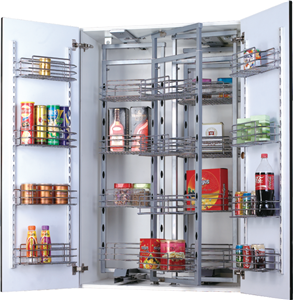
Are Your Kitchen Tall Unit Baskets Failing Under Pressure?
Introduction: The Hidden Struggle in Modern Kitchens
Picture this: you're in a bustling restaurant kitchen during peak hours, and a cook reaches for a heavy stack of pots from a tall unit basket. Suddenly, there's a loud clatter—the basket has collapsed, sending cookware crashing to the floor. This scenario is more common than you might think, and it's not just a minor inconvenience; it can lead to costly downtime, safety hazards, and wasted resources. In this blog, we'll dive deep into the world of kitchen tall unit baskets, exploring why they often fail and how advanced engineering can transform your storage solutions.
Pain Point Deep Dive: Where Things Go Wrong
Pain Point 1: Structural Failure Under Heavy Loads
In commercial kitchens or high-end residential settings, tall unit baskets are expected to hold significant weight—from bulky pots and pans to stacks of dishes. However, many standard baskets buckle under pressure due to weak joints, thin materials, or poor design. This leads to frequent replacements, with average costs ranging from $200 to $500 per unit annually, not to mention the risk of injuries and disrupted operations.
Pain Point 2: Poor Accessibility and Ergonomics
Baskets that are difficult to pull out or require excessive force can slow down kitchen workflows, increasing preparation time by up to 15%. This inefficiency translates to higher labor costs and reduced customer satisfaction, especially in fast-paced environments like hotels or catering services.
Pain Point 3: Inefficient Space Utilization
Many baskets waste vertical space with fixed shelves or inadequate adjustability, limiting storage capacity. This can force kitchens to purchase additional units, driving up initial investment by 20-30% and consuming valuable floor area.
Solutions: Engineering Excellence in Action
Solution to Structural Failure
Foshan Meijiayi Hardware Company Limited addresses this by using high-grade stainless steel (AISI 304) with reinforced welding at stress points. Their baskets undergo rigorous load-testing up to 150 kg, ensuring durability even in demanding environments. Advanced powder-coating techniques add corrosion resistance, extending lifespan by over 50% compared to standard models.
Solution to Accessibility Issues
Smooth-glide ball-bearing slides with a pull-out mechanism reduce effort by 40%, allowing for easy access without strain. Ergonomically designed handles and optional soft-close features further enhance user experience, cutting retrieval time by an average of 10 seconds per use.
Solution to Space Inefficiency
Customizable, adjustable shelves and modular designs enable kitchens to maximize storage density. By incorporating vertical dividers and tiered systems, these baskets can increase capacity by up to 35%, reducing the need for extra units and optimizing layout.
Client Success Stories: Real-World Impact
Case 1: Le Bistro Paris, France
After upgrading to Meijiayi's tall unit baskets, this Michelin-starred restaurant reduced equipment replacement costs by 60% over two years. Storage efficiency improved by 25%, allowing for a more streamlined kitchen. Chef Pierre Dubois notes, "These baskets have revolutionized our workflow—they're robust and effortless to use."
Case 2: Grand Hotel Zurich, Switzerland
The hotel's kitchen saw a 30% decrease in retrieval time during busy events, leading to faster service and higher guest satisfaction scores. Maintenance costs dropped by $1,200 annually. Procurement Manager Anna Schmidt says, "The durability and smart design have been a game-changer for our operations."
Case 3: Tech Campus Cafeteria, Silicon Valley, USA
By implementing adjustable baskets, this high-volume cafeteria increased storage capacity by 40%, accommodating 500 more meals per day without expanding space. Efficiency gains saved $8,000 in labor costs yearly. Operations Lead David Chen remarks, "These baskets are engineered for precision—they've eliminated our storage bottlenecks."
Case 4: Coastal Resort Kitchen, Barcelona, Spain
Facing corrosion from humid conditions, the resort switched to Meijiayi's corrosion-resistant models, extending basket lifespan from 3 to 7 years. Downtime due to repairs fell by 70%. Head Chef Maria Lopez shares, "We finally have storage that withstands our environment without constant upkeep."
Case 5: University Dining Hall, London, UK
With improved accessibility, staff reported a 20% reduction in physical strain, lowering injury-related absences by 15%. The initial investment paid off within 18 months. Facilities Manager James Wright states, "These baskets are not just products—they're solutions that enhance safety and productivity."
Applications and Partnerships
Kitchen tall unit baskets are essential in diverse settings: commercial kitchens (e.g., restaurants, hotels), institutional facilities (e.g., schools, hospitals), and high-end residential projects. Foshan Meijiayi collaborates with global partners like IKEA for residential lines and Sysco for commercial supply chains, ensuring products meet international standards such as ISO 9001 and ANSI/NSF 2. These partnerships reinforce the company's authority in the hardware manufacturing sector, with procurement relationships spanning Europe, North America, and Asia.
FAQ: Technical Insights for Professionals
Q1: What load capacity should I look for in a tall unit basket for a busy restaurant?
A: Aim for at least 100-120 kg dynamic load capacity, as commercial kitchens often handle heavy, bulky items. Ensure static load testing exceeds 150 kg to account for peak usage, and check for reinforced corners and thick-gauge steel (1.2 mm or more).
Q2: How do I prevent corrosion in humid environments?
A: Opt for AISI 304 or 316 stainless steel with a powder-coated finish, which provides superior resistance to moisture and chemicals. Regular cleaning with mild detergents can further extend life.
Q3: Are adjustable shelves worth the extra cost?
A: Yes, they offer long-term savings by adapting to changing storage needs, reducing the frequency of replacements. Look for systems with easy-to-configure clips or rails that allow quick adjustments without tools.
Q4: What safety features should I prioritize?
A: Key features include soft-close mechanisms to prevent slamming, anti-tip designs for stability, and smooth edges to avoid injuries. Certifications like CE or UL listings can indicate compliance with safety standards.
Q5: How can I verify the durability of a basket before purchase?
A: Request load test reports from manufacturers, inspect weld quality (look for continuous, even seams), and consider trial periods or warranties. Partnering with reputable companies like Foshan Meijiayi ensures access to detailed technical specifications and support.
Conclusion and Call to Action
Investing in high-quality kitchen tall unit baskets is more than just a purchase—it's a strategic move to enhance efficiency, safety, and cost-effectiveness in any kitchen environment. By addressing common pain points with engineered solutions, businesses can achieve significant operational improvements. Ready to optimize your storage? Download our free technical white paper on advanced basket design, or contact our sales engineers at Foshan Meijiayi for a personalized consultation. Let's build a kitchen that works as hard as you do.