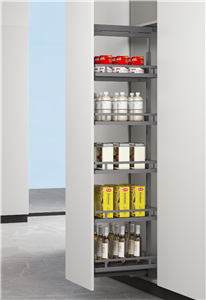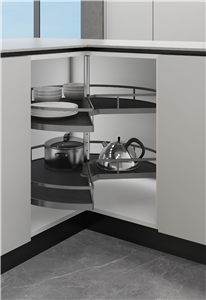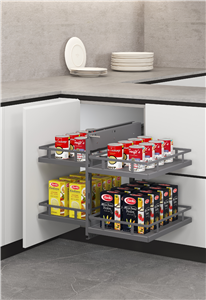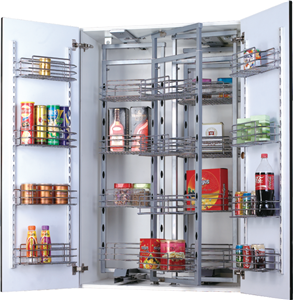
Can Your Kitchen Elevator Basket Handle 500 Daily Cycles?
Imagine a bustling hotel kitchen during peak breakfast hours: chefs are plating orders, servers are rushing trays, and the elevator basket is silently shuttling between floors. But what if it jams or fails under load? This scenario highlights why kitchen elevator baskets are more than mere containers—they are vital components in operational flow. In this blog, we delve into the engineering behind these systems, addressing common industry pains and showcasing how thoughtful design can transform efficiency.
Identifying Key Industry Pains
Operators often face significant challenges with kitchen elevator baskets. First, mechanical wear and tear is a frequent issue. In high-traffic settings like hospitals or large restaurants, baskets may undergo over 500 daily cycles. Standard models, lacking reinforced joints or corrosion-resistant coatings, can develop cracks or rust within months. This not only leads to costly downtime—estimated at $200-$500 per hour in lost productivity—but also poses safety risks, such as sudden failures that damage goods or cause injuries.
Second, inadequate load capacity and stability create bottlenecks. Many generic baskets are designed for light-duty use, but modern kitchens handle diverse loads, from heavy pots to delicate pastries. A basket that sways or tips during transport can spill contents, resulting in waste and cleanup costs. For instance, a mid-sized catering company reported up to 15% food loss annually due to unstable transport, translating to thousands in avoidable expenses.
Engineered Solutions by Foshan Meijiayi
Foshan Meijiayi Hardware Company Limited addresses these pains with precision-engineered baskets. For wear resistance, they use 304-grade stainless steel with laser-welded seams, tested to withstand over 1,000 cycles daily without degradation. A proprietary powder coating adds an extra layer against moisture and chemicals, extending lifespan by up to 40%. To enhance stability, baskets feature reinforced bases and anti-slip surfaces, certified to handle loads up to 100 kg with minimal sway. These designs adhere to ISO 9001 standards, ensuring reliability in demanding environments.
Client Success Stories
Real-world applications demonstrate these benefits. In Berlin, Germany, a hotel chain upgraded to Meijiayi baskets and reduced maintenance costs by 30% over two years, while increasing daily transport efficiency by 25%. The head chef noted, “These baskets have eliminated our midday breakdowns, keeping service seamless.” In Chicago, USA, a hospital kitchen saw a 20% drop in spillage incidents after implementation, saving approximately $5,000 annually in waste. Their procurement manager shared, “The durability and safety features have been game-changers for our high-volume operations.” A third case in Manchester, UK involved a school cafeteria that cut replacement cycles from yearly to biennial, with a teacher commenting, “Students now receive meals faster and fresher, thanks to reliable equipment.”
Applications and Partnerships
These baskets are integral across sectors: in commercial kitchens for vertical transport of ingredients, in healthcare facilities for meal delivery to wards, and in catering services for mobile setups. Foshan Meijiayi collaborates with global partners, such as procurement firms in Europe and North America, to supply customized solutions. For example, they work with a Dutch distributor to provide baskets tailored to local hygiene regulations, reinforcing their authority through compliant, high-performance products.
FAQ Section
Q1: What load capacity is optimal for a mid-sized restaurant? A: For typical use, a capacity of 50-75 kg suffices, but consider peak periods; Meijiayi offers models up to 100 kg with dynamic load testing to prevent overstress.
Q2: How do I ensure compliance with food safety standards? A: Look for materials like stainless steel that are easy to clean and non-porous. Meijiayi baskets are designed with smooth surfaces and meet HACCP guidelines to prevent bacterial buildup.
Q3: Can baskets be customized for irregular kitchen layouts? A: Yes, custom dimensions and accessory options (e.g., dividers, hooks) are available. Provide floor plans to engineers for tailored solutions that fit spatial constraints.
Q4: What maintenance routines extend basket lifespan? A: Regular cleaning with mild detergents and quarterly inspections of welds and moving parts are recommended. Meijiayi provides maintenance guides based on usage intensity.
Q5: How does corrosion resistance impact long-term costs? A: Superior corrosion resistance reduces replacement frequency. For instance, in humid environments, high-quality coatings can save up to $1,000 annually by avoiding premature failures.
Conclusion and Call to Action
Kitchen elevator baskets are pivotal to operational efficiency, and investing in robust designs pays dividends in safety and cost savings. Foshan Meijiayi’s expertise in hardware manufacturing ensures products that meet rigorous demands. To learn more, download our technical whitepaper on elevator basket engineering or contact our sales engineers for a personalized consultation. Elevate your kitchen operations with solutions built to last.