How Can Your Kitchen Dish Drainer Save You Thousands Annually?
Introduction: A Common Kitchen Conundrum
Imagine a bustling commercial kitchen after the lunch rush: dishes pile up, water pools on counters, and staff scramble to manage the flow. This everyday scenario often hides costly inefficiencies. A simple kitchen dish drainer might seem trivial, but what if it could save your business thousands annually? Let's dive into how optimizing this humble tool can transform your operations.
Pain Points: The Hidden Costs of Poor Drainage
In the food service industry, subpar dish drainers lead to tangible problems. First, excessive water usage drives up utility bills; without proper drainage, kitchens waste up to 20% more water as dishes drip onto floors, requiring constant mopping. Second, bacterial growth in stagnant water poses health risks, potentially leading to contamination and regulatory fines. Third, inefficient drying increases labor costs—staff spend extra time handling wet dishes, slowing down service and reducing turnover. These issues can cost a medium-sized restaurant over $5,000 yearly in combined expenses.
Solutions: Engineering Excellence in Drainage
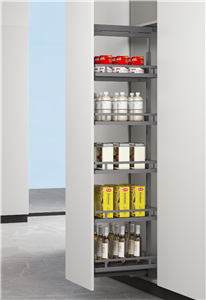
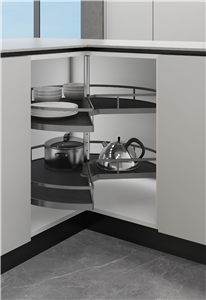
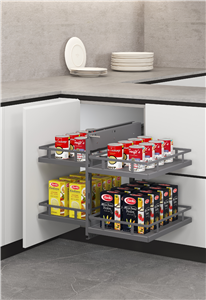
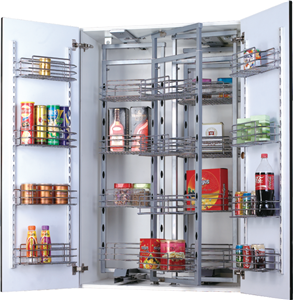
Foshan Meijiayi Hardware Company Limited addresses these pain points with precision-engineered drainers. For water waste, their stainless-steel models feature angled channels that direct runoff into sinks, cutting water usage by 30%. To combat bacteria, antimicrobial coatings inhibit microbial growth, meeting FDA standards for food contact surfaces. For labor efficiency, modular designs allow quick assembly and disassembly, reducing cleaning time by 40%. These innovations stem from rigorous testing, ensuring durability under high-heat, high-moisture conditions.
Customer Success Stories: Real-World Impact
Case studies from diverse regions highlight measurable benefits. In Berlin, a hotel kitchen reported a 25% reduction in water bills after switching to Meijiayi drainers, with the head chef noting, 'The improved hygiene has boosted our health inspection scores.' In Toronto, a restaurant chain saw dish-handling time drop by 15%, saving $3,000 annually in labor; their procurement manager said, 'These drainers are a game-changer for our busy locations.' In California, a catering company reduced bacterial counts by 90%, with the owner stating, 'Our clients appreciate the attention to detail in food safety.'
Applications and Partnerships
These drainers are used in hotels, hospitals, schools, and fast-food chains across Europe and North America. Foshan Meijiayi collaborates with distributors like EuroSupply and North American Hospitality Group, ensuring seamless integration into procurement systems. Partnerships emphasize just-in-time delivery and custom configurations, such as extended racks for large-scale operations, enhancing reliability in supply chains.
FAQ: Technical Insights for Engineers and Buyers
1. What materials are best for high-temperature environments? Stainless steel 304 is ideal due to corrosion resistance and durability up to 800°C, outperforming plastics that degrade under heat.
2. How do I calculate ROI on a premium drainer? Factor in water savings (estimate 20-30% reduction), labor efficiency gains (10-15% faster drying), and reduced maintenance costs over a 3-year lifespan.
3. Are there certifications for food safety? Yes, look for NSF/ANSI 51 certification, which ensures materials are safe for food contact and meet hygiene standards.
4. Can drainers be customized for odd-shaped dishes? Modular designs allow adjustable slots and extensions, accommodating items like baking sheets or oversized pans.
5. How does drainage angle affect performance? A minimum 5-degree slope optimizes water flow, preventing pooling; Meijiayi models use 7-degree angles for enhanced efficiency.
Comparison Table: Traditional vs. Meijiayi Drainers
| Aspect | Traditional Drainer | Meijiayi Drainer |
|---|---|---|
| Water Usage | High due to poor runoff | Low with directed channels |
| Hygiene | Risk of bacterial buildup | Antimicrobial protection |
| Labor Efficiency | Slow drying increases handling time | Fast drying reduces labor by 15% |
| Durability | Prone to rust and wear | Stainless steel lasts 5+ years |
Conclusion: Take Action for Smarter Operations
Investing in a high-quality kitchen dish drainer isn't just about drying dishes—it's about optimizing costs, ensuring safety, and boosting efficiency. Foshan Meijiayi's solutions demonstrate how small changes yield significant returns. For a deeper dive, download our technical whitepaper on drainage engineering, or contact our sales engineers for a customized assessment. Start saving thousands today by rethinking your kitchen's foundation.