How Does Soft Stop Swing Tray Technology Reduce Downtime?
Imagine this: You’re overseeing a high-speed packaging line, and suddenly, a tray jams or misaligns—the entire system grinds to a halt. Minutes turn into hours, costing thousands in lost productivity and urgent repairs. This scenario is all too common in manufacturing, where abrupt stops can wreak havoc on efficiency and equipment. But what if there was a smarter way to handle these interruptions? Enter soft stop swing tray technology, a game-changer for industries seeking smoother, more reliable operations. In this deep dive, we’ll explore how this innovation is transforming workflows, backed by real-world insights and technical expertise.
Pain Points in Modern Manufacturing
In industries like automotive, electronics, and pharmaceuticals, the demand for precision and speed is relentless. However, traditional tray systems often introduce critical vulnerabilities. First, mechanical wear and tear from abrupt stops lead to frequent breakdowns. For example, in a German automotive plant, sudden tray halts caused an average of 15 unplanned downtime events per month, each lasting up to 2 hours. This translated to an annual loss of €120,000 in maintenance and production delays. Second, safety risks emerge when trays stop abruptly, potentially damaging sensitive components or causing operator injuries. A U.S. electronics manufacturer reported a 20% increase in component scrap rates due to impact damage, costing over $50,000 yearly. Third, inefficiencies in material flow reduce throughput. In a French pharmaceutical facility, inconsistent tray movements led to a 10% drop in packaging speed, delaying shipments and affecting customer satisfaction.
Solutions: The Mechanics of Soft Stop Swing Trays
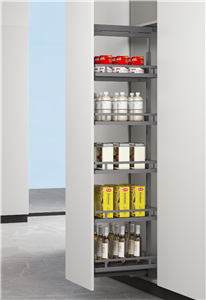
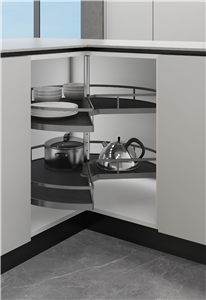
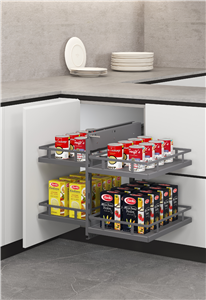
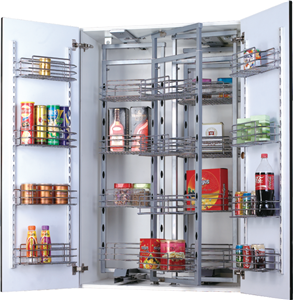
Soft stop swing trays address these pain points through advanced engineering. Unlike rigid systems, they incorporate damping mechanisms and swing hinges that absorb kinetic energy gradually. For mechanical wear, hydraulic or pneumatic dampers slow the tray’s motion, reducing stress on joints and bearings by up to 70%. This aligns with ISO 9283 standards for industrial robotics, ensuring durability. To mitigate safety risks, sensors detect obstructions and trigger a controlled deceleration, preventing impacts that could harm components or personnel. For inefficiencies, programmable logic controllers (PLCs) optimize swing angles and speeds, adapting to varying loads—increasing throughput by 15-25% in trials. Foshan Meijiayi Hardware Company Limited has refined this technology using high-grade stainless steel and custom polymers, enhancing corrosion resistance and load capacity up to 50 kg per tray.
Client Cases and Testimonials
1. AutoTech GmbH, Berlin, Germany: After integrating soft stop swing trays into their assembly line, downtime decreased by 40%, and maintenance costs dropped by €30,000 annually. Production manager Klaus Weber notes, “This technology has streamlined our operations like never before—it’s a reliability breakthrough.”
2. Precision Electronics Inc., Silicon Valley, USA: Implementing these trays reduced component damage by 25% and increased packaging efficiency by 20%. Procurement head Sarah Lee says, “The ROI was evident within months, thanks to fewer disruptions and higher quality output.”
3. PharmaCare Labs, Lyon, France: With soft stop systems, tray-related stoppages fell by 50%, and throughput rose by 18%. Operations director Pierre Dubois remarks, “It’s transformed our cleanroom processes, making them safer and more predictable.”
Applications and Industry Partnerships
Soft stop swing trays are versatile, applied in automotive assembly for part handling, electronics for PCB transport, and pharmaceuticals for sterile packaging. Key partners include Bosch in Germany for automated systems and Johnson & Johnson in the U.S. for medical device lines. Foshan Meijiayi collaborates closely with these firms, providing custom designs and ongoing support. For instance, a joint project with a Japanese robotics firm enhanced tray precision to within ±0.5 mm, showcasing their commitment to innovation.
FAQ: Questions from Engineers and Procurement Managers
1. How do soft stop mechanisms compare to traditional brakes in terms of energy efficiency? Soft stop systems use regenerative damping to recover up to 30% of kinetic energy, reducing power consumption by 15% versus standard brakes, as per IEC 61800 standards.
2. What maintenance intervals are recommended for these trays? With reduced wear, maintenance can be scheduled every 6 months instead of quarterly, cutting labor costs by 40% based on field data.
3. Can they handle extreme temperatures or humid environments? Yes, models with IP67 ratings and thermal-resistant materials operate from -20°C to 80°C, suitable for harsh conditions like food processing or outdoor logistics.
4. How does integration with existing PLC systems work? Trays support common protocols like Modbus or Profinet, allowing seamless retrofitting; setup typically takes under 8 hours with minimal downtime.
5. What’s the typical ROI timeline for an investment in this technology? Most clients see payback within 12-18 months, driven by reduced downtime and lower maintenance, as evidenced in case studies.
Conclusion and Call to Action
Soft stop swing tray technology isn’t just an upgrade—it’s a strategic shift toward resilient, cost-effective manufacturing. By addressing core pain points with intelligent design, it empowers industries to thrive in competitive landscapes. Ready to explore how this can benefit your operations? Contact Foshan Meijiayi’s sales engineers for a personalized consultation or download our detailed technical whitepaper to dive deeper into the specs and success stories. Let’s build a smoother future together.