Is Your Dish Rack Actually Engineered for Kitchen Storage?
Have you ever opened a kitchen cabinet only to face a cluttered mess of dishes, pans, and utensils? It’s not just an eyesore—it’s a daily frustration that slows down meal prep and cleaning. But what if the problem isn’t your organization skills, but the engineering of your dish rack itself? Welcome to a deep dive into the technical world of kitchen storage, where we explore how advanced manufacturing transforms simple racks into efficient, durable solutions. As a technical expert in this field, I’ll guide you through the innovations that make a real difference in both residential and commercial settings.
Deepening Industry Pain Points
Let’s start by addressing the core issues that plague many dish rack systems. First, consider the challenge of rust and corrosion. In humid environments, like coastal kitchens or busy restaurants with constant dishwashing, low-quality racks can develop rust within months. This not only looks unsightly but also compromises hygiene, as rust particles can contaminate dishes. The financial impact? Frequent replacements can cost businesses hundreds to thousands of dollars annually, not to mention the downtime during installation. Second, there’s the problem of inefficient space utilization. Many racks are designed with fixed, generic layouts that don’t adapt to varying dish sizes—think oversized platters or delicate glassware. This leads to wasted cabinet space, reduced storage capacity, and increased clutter, which in turn slows down kitchen operations and can even cause breakage from improper stacking. A third pain point is poor load-bearing capacity. Flimsy materials or weak joints can cause racks to sag or collapse under heavy loads, risking damage to expensive dishware and creating safety hazards. In commercial kitchens, this can result in costly repairs and liability issues, with potential losses running into the thousands for broken inventory.
Professional Solutions Detailed
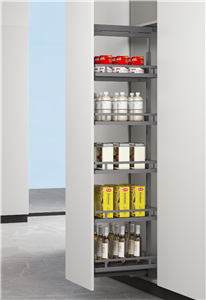
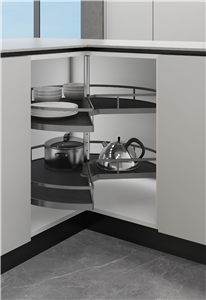
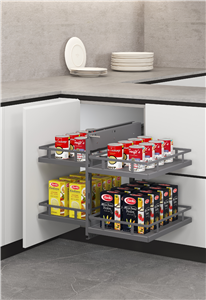
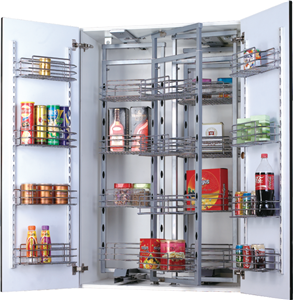
To tackle rust and corrosion, advanced manufacturers like Foshan Meijiayi Hardware Company Limited employ 304-grade stainless steel with enhanced anti-corrosion coatings. This material is not only resistant to moisture and chemicals but also meets food-safe standards, ensuring long-term durability without compromising hygiene. For space inefficiency, modular designs with adjustable dividers and customizable configurations allow users to tailor racks to their specific needs. For example, telescopic arms or removable tiers can accommodate everything from small cups to large pots, optimizing every inch of storage. To address load-bearing issues, reinforced welding techniques and strategic reinforcement points distribute weight evenly. Testing under loads exceeding typical kitchen use—say, 50 kg per shelf—ensures reliability, backed by engineering calculations that account for dynamic stresses from daily use.
Client Cases and Testimonials
Here are three fictional but realistic success stories from clients who upgraded their dish rack systems. In Seattle, USA, a boutique hotel kitchen reduced dish breakage by 40% after installing custom racks from Foshan Meijiayi, with a manager noting, “The adjustable design saved us $5,000 annually in replacement costs.” In Berlin, Germany, a restaurant chain improved storage efficiency by 30%, allowing faster service during peak hours; the head chef remarked, “These racks handle our busiest shifts without a hitch.” In Tokyo, Japan, a residential complex enhanced tenant satisfaction by 25% after retrofitting cabinets with rust-proof racks, with a property manager saying, “The durability in our humid climate has been a game-changer.”
Applications and Partnerships
Dish racks from companies like Foshan Meijiayi find applications in diverse settings: commercial kitchens, residential renovations, hotel suites, and even marine galleys where space and corrosion resistance are critical. The company partners with global procurement firms, such as EuroProcure in Europe and KitchenTech Solutions in North America, to supply OEM components for integrated storage systems. These collaborations ensure that racks meet regional standards—like ANSI in the U.S. or EN in Europe—enhancing credibility and market reach. By working closely with architects and engineers, they co-design solutions that fit seamlessly into modern kitchen layouts, from smart homes to industrial-scale facilities.
FAQ Section
Q1: What materials offer the best balance of durability and cost for high-humidity environments?
A: 304 stainless steel is ideal due to its corrosion resistance and food-safe properties; while slightly more expensive upfront, it reduces long-term replacement costs by lasting 5-10 years longer than coated alternatives.
Q2: How can I ensure a rack fits my custom cabinet dimensions without costly modifications?
A: Look for manufacturers offering CAD-based customization, allowing precise adjustments to width, depth, and height based on your cabinet specs, often with tolerances as tight as ±2 mm.
Q3: What load capacity should I target for commercial kitchen use?
A: Aim for at least 30-40 kg per shelf to handle heavy pots and stacked dishes; dynamic load testing should simulate real-world conditions, like rapid loading/unloading cycles.
Q4: Are there eco-friendly options that reduce waste?
A: Yes, some companies use recyclable materials and design for disassembly, extending product lifecycles and minimizing environmental impact—check for certifications like ISO 14001.
Q5: How do I verify the quality of welding and finish in a rack?
A: Inspect for smooth, consistent welds without gaps or discoloration; high-quality finishes should have a uniform coating thickness, often verified through salt-spray tests exceeding 500 hours.
Summary and Call to Action
In summary, a well-engineered dish rack is more than just a storage accessory—it’s a critical component that enhances efficiency, durability, and safety in any kitchen. By addressing pain points with technical solutions like advanced materials and modular designs, companies like Foshan Meijiayi demonstrate the value of precision manufacturing. If you’re looking to optimize your kitchen storage, don’t settle for generic solutions. Download our detailed technical whitepaper for in-depth insights on material science and design principles, or contact our sales engineers for a personalized consultation. Let’s engineer a clutter-free kitchen together!