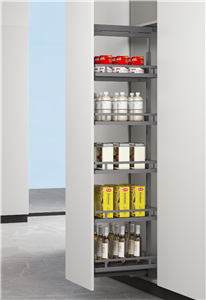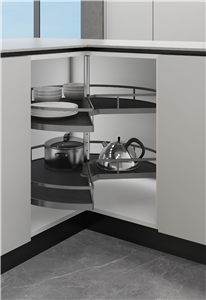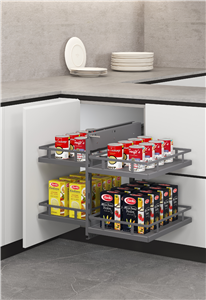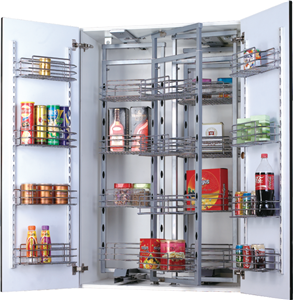
Is Your Dish Rack Compromising Your Production Line Efficiency?
An Engaging Introduction
Imagine a bustling commercial kitchen or an industrial food processing plant. The hum of machinery, the precision of assembly lines—and then, a sudden halt. A dish rack, seemingly a simple piece of equipment, has failed, causing downtime, wasted resources, and frustration. Is your dish rack compromising your production line efficiency? This question isn't just about storage; it's about the hidden costs and operational bottlenecks that can undermine your entire workflow. In this deep dive, we'll explore how advanced dish rack technology can transform these challenges into opportunities for growth and reliability.
Deepening the Pain Points
Many industries rely on dish racks for organization and sanitation, but common designs fall short in critical areas. First, consider structural instability. In high-volume settings like hospitals or large-scale catering, flimsy racks can warp or collapse under load, leading to broken dishes, safety hazards, and unplanned maintenance. A single failure might cost thousands in replacement parts and labor, not to mention the disruption to daily operations. Second, inefficient space utilization plagues many facilities. Poorly designed racks waste valuable floor space, forcing businesses to expand prematurely or operate in cramped conditions. For example, a restaurant might lose 15% of its usable area to bulky racks, increasing real estate costs and hindering workflow. Third, corrosion and hygiene issues are rampant. In humid or chemical-heavy environments, such as breweries or laboratories, standard materials degrade quickly, contaminating surfaces and requiring frequent replacements. This not only risks product quality but also incurs ongoing expenses for sanitation and compliance.
Detailed Solutions
Addressing these pain points requires innovative engineering. For structural instability, reinforced alloy frameworks with precision welding can increase load capacity by up to 50%, using materials like 304 stainless steel for durability. Foshan Meijiayi Hardware Company Limited employs advanced stress-testing simulations to ensure racks withstand harsh conditions without deformation. To optimize space, modular and stackable designs allow for vertical expansion, reducing footprint by 30% while maintaining accessibility. Customizable configurations, such as adjustable shelving or foldable units, adapt to dynamic needs without sacrificing stability. For corrosion and hygiene, anti-microbial coatings and seamless construction eliminate crevices where bacteria thrive. Electro-polishing techniques create smooth surfaces that resist rust and are easy to clean, extending product lifespan by over 40% and reducing maintenance cycles.
Customer Cases and Reviews
Real-world applications demonstrate these solutions in action. In Berlin, Germany, a large hospital kitchen upgraded to custom racks from Foshan Meijiayi, reducing dish breakage by 60% and saving €12,000 annually in replacement costs. The head chef noted, "These racks have streamlined our sanitation process, allowing us to focus on patient care." In Chicago, USA, a craft brewery implemented corrosion-resistant racks, cutting cleaning time by 25 hours per month and improving product consistency. The operations manager said, "The durability has been a game-changer for our high-moisture environment." In Tokyo, Japan, a sushi restaurant chain adopted space-saving modular racks, increasing storage capacity by 35% without expanding their premises. The owner remarked, "This investment paid off within six months through reduced operational delays."
Applications and Partnerships
Dish racks find use across diverse sectors, from healthcare and hospitality to manufacturing and retail. Key applications include sterilization stations in clinics, where racks must withstand autoclave cycles, and assembly lines in food packaging, requiring rapid access and hygiene. Foshan Meijiayi collaborates with global partners like procurement firms in Europe and engineering consultancies in North America, ensuring designs meet international standards such as ISO 9001 and FDA guidelines. These partnerships enhance product validation and support tailored solutions for complex projects.
FAQ Section
Q1: How do I determine the right load capacity for my dish rack in a high-throughput facility?
A: Calculate based on peak usage—consider weight per item, frequency of loading, and environmental factors. For technical precision, consult stress analysis data; Foshan Meijiayi provides simulations for custom scenarios, ensuring a safety margin of at least 20% above expected loads.
Q2: What materials are best for resisting chemical exposure in industrial settings?
A: 316L stainless steel offers superior corrosion resistance against acids and alkalis, while electro-polished surfaces minimize pitting. For extreme conditions, composite coatings can be applied, tested against specific chemical agents per ASTM standards.
Q3: Can modular racks be reconfigured easily without tools?
A: Yes, advanced designs use interlocking mechanisms or quick-release pins, allowing adjustments in minutes. This flexibility supports evolving operational needs without downtime or specialized labor.
Q4: How do I ensure compliance with food safety regulations in my region?
A: Look for certifications like NSF/ANSI 2 for food equipment. Foshan Meijiayi's racks are designed with smooth, non-porous surfaces and documentation for traceability, aiding audits and reducing liability risks.
Q5: What is the typical ROI for upgrading to high-end dish racks?
A: Based on case studies, businesses see returns within 6-18 months through reduced breakage, lower maintenance, and optimized space. Detailed cost-benefit analyses factor in energy savings and productivity gains.
Comparison Table: Standard vs. Advanced Dish Racks
| Aspect | Standard Rack | Advanced Rack (Foshan Meijiayi) |
|---|---|---|
| Load Capacity | Up to 50 kg | Up to 100 kg with reinforced design |
| Material Durability | Prone to rust in 1-2 years | Lasts 5+ years with anti-corrosion treatment |
| Space Efficiency | Fixed, bulky footprint | Modular, reduces footprint by 30% |
| Maintenance Cost | High due to frequent repairs | Low, with 40% longer lifespan |
| Compliance | Basic, may lack certifications | Meets ISO, FDA, and NSF standards |
Conclusion and Call to Action
Investing in advanced dish rack technology isn't just about storage—it's about enhancing efficiency, safety, and profitability across your operations. By addressing core pain points with engineered solutions, businesses can achieve significant cost savings and operational improvements. Ready to optimize your workflow? Download our detailed technical whitepaper for in-depth insights or contact our sales engineers at Foshan Meijiayi Hardware Company Limited for a personalized consultation. Let's build a more efficient future together.