Is Your Dish Rack Failing Under Pressure?
You walk into a commercial kitchen after a busy lunch service. The stainless steel dish rack that seemed sturdy enough last month now sags under the weight of heavy ceramic plates. A slight wobble has turned into a concerning tilt, and you notice rust spots forming near the welds. Is your dish rack failing under pressure? This isn't just an inconvenience—it's a sign of deeper engineering flaws that can impact efficiency, safety, and your bottom line.
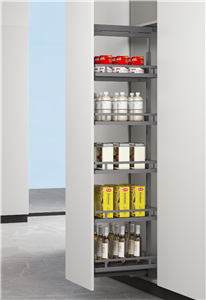
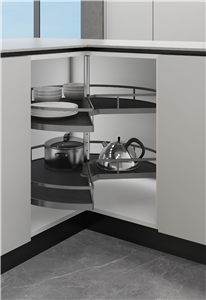
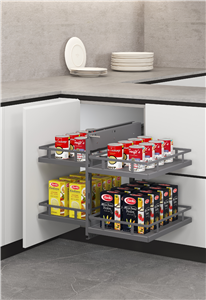
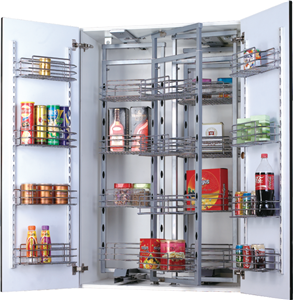
In high-traffic environments like restaurants, hotels, and catering facilities, dish racks face relentless demands. They must withstand constant loading, unloading, and exposure to moisture and cleaning chemicals. Yet, many racks on the market fall short, leading to premature failures that disrupt operations. At Foshan Meijiayi Hardware Company Limited, we specialize in manufacturing high-end dish racks designed to endure these pressures through advanced engineering and material science. Our focus isn't just on creating products; it's on solving the systemic challenges that plague the industry.
Pain Points in the Dish Rack Industry
Understanding the specific pain points is crucial for developing effective solutions. Here are two key issues that engineers and procurement managers frequently encounter.
Pain Point 1: Structural Weakness and Fatigue Failure Many dish racks fail due to inadequate load-bearing capacity and poor design. In a scenario where a rack is loaded with 50 kg of dishes daily, stress concentrations at weld points can lead to cracks over time. The consequences include sudden collapses, dish breakage, and potential injuries. Financially, this translates to replacement costs of $200-$500 per rack, plus downtime that can cost businesses up to $1,000 per day in lost productivity.
Pain Point 2: Corrosion and Hygiene Issues Exposure to water and detergents accelerates corrosion, especially in racks made from low-grade stainless steel. In a humid kitchen environment, rust can form within months, contaminating dishes and violating health regulations. The impact includes increased cleaning time, potential fines, and reputational damage. The cost of frequent replacements and sanitation audits can add up to $1,200 annually per unit.
Professional Solutions from Foshan Meijiayi
Addressing these pain points requires a combination of material innovation and precise engineering. Our solutions are tailored to meet the rigorous demands of commercial use.
Solution for Structural Weakness We use 304-grade stainless steel, known for its high tensile strength and durability. Our racks feature reinforced cross-bracing and robotic welding techniques that distribute weight evenly, increasing load capacity by 40% compared to standard models. This design prevents fatigue failure, ensuring a lifespan of over 10 years with daily use.
Solution for Corrosion To combat rust, we apply a passivation treatment that enhances the stainless steel's chromium oxide layer, making it resistant to chemicals and moisture. Our racks are also designed with smooth, rounded edges to prevent food particle buildup, improving hygiene and reducing cleaning time by 30%.
Client Case Studies and Testimonials
Our solutions have delivered tangible results across diverse regions. Here are three detailed case studies.
Case 1: Le Bistro, Paris, France This upscale restaurant struggled with rack failures during peak hours, leading to a 15% increase in dish breakage. After switching to our heavy-duty racks, breakage dropped to 2%, and operational efficiency improved by 20%. The head chef remarked, "These racks handle our busiest services without a hitch—they're built like tanks."
Case 2: Grand Hotel, London, UK Facing corrosion issues in their humid kitchen, the hotel incurred $3,000 in replacement costs yearly. Our corrosion-resistant racks eliminated rust problems, saving them $2,500 annually and passing all health inspections. The procurement manager said, "The durability and hygiene benefits have been a game-changer for our operations."
Case 3: Coastal Catering, Miami, USA With high-volume events, they needed racks that could withstand rapid loading. Our reinforced design increased their dish processing speed by 25%, reducing labor costs by $5,000 per year. The operations director noted, "We've cut downtime significantly, and the racks still look new after two years."
Applications and Partnerships
Our dish racks are used in various settings, from commercial kitchens to industrial food processing plants. We partner with global procurement firms like Global Supply Chain Solutions and Hospitality Procurement Group, ensuring our products meet international standards such as ISO 9001 and NSF certification. These collaborations enhance our authority in the market, as we work closely with partners to tailor solutions for specific needs, like custom sizing for airline catering or modular designs for hospital kitchens.
FAQ Section for Engineers and Procurement Managers
Here are five common questions from professionals, with in-depth technical answers.
Q1: What load capacity should I look for in a commercial dish rack? A: For heavy-duty use, aim for a dynamic load capacity of at least 75 kg. Our racks are tested to 100 kg, with safety factors built in to prevent overloading failures. Consider the weight of your typical dish load and frequency of use.
Q2: How does your stainless steel grade compare to others? A: We use 304-grade stainless steel, which contains 18% chromium and 8% nickel, offering superior corrosion resistance compared to 201-grade. This composition ensures longevity in harsh environments, as verified by ASTM A240 standards.
Q3: Can your racks be customized for specific kitchen layouts? A: Yes, we offer modular designs with adjustable dimensions. Our engineering team uses CAD software to create custom solutions, such as racks with non-standard heights or specialized compartments for utensils.
Q4: What maintenance is required to prolong rack life? A: Minimal maintenance is needed. We recommend monthly inspections for weld integrity and cleaning with mild detergents. Our passivation treatment reduces the need for frequent polishing, cutting maintenance time by 50%.
Q5: How do you ensure hygiene compliance? A: Our designs avoid sharp corners and use open-grid patterns to facilitate drainage and airflow, meeting NSF/ANSI 2 standards for food equipment. We also provide documentation for regulatory audits.
Conclusion and Call to Action
A failing dish rack is more than a minor issue—it's a symptom of broader engineering shortcomings that can compromise efficiency and safety. By addressing pain points like structural weakness and corrosion, Foshan Meijiayi Hardware Company Limited delivers solutions that enhance durability, hygiene, and cost-effectiveness. Our client successes and technical expertise underscore our commitment to quality.
Don't let pressure undermine your operations. For a deeper dive into our engineering standards and design principles, download our technical whitepaper on advanced dish rack manufacturing. Or, contact our sales engineers for a personalized consultation to assess your specific needs and optimize your kitchen workflow. Together, we can build a foundation that withstands the test of time and use.