Is Your Full Extension Kitchen Pantry Really Maximizing Space?
Introduction: The Unseen Kitchen Challenge
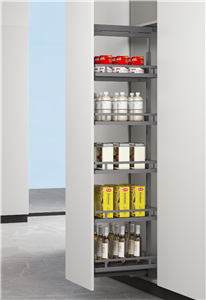
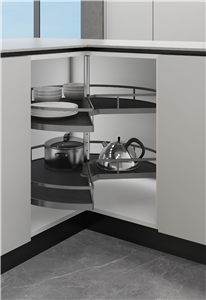
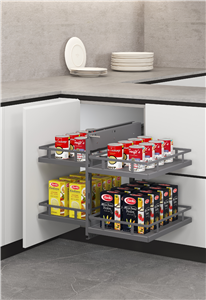
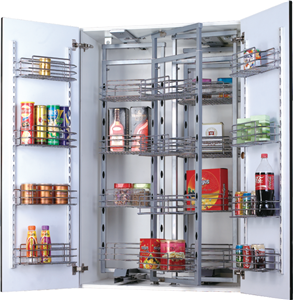
Have you ever opened your kitchen pantry, only to find items lost in the back, forgotten until they expire? Or struggled to reach that heavy appliance tucked away in a deep corner? If so, you’re not alone. The promise of a full extension kitchen pantry—a system where drawers and shelves slide fully out for complete access—sounds ideal, but many installations fall short due to design flaws, material weaknesses, or improper integration. In this deep dive, we’ll unravel what makes a truly effective full extension pantry, moving beyond marketing hype to the engineering excellence that defines Foshan Meijiayi Hardware Company Limited’s approach. Let’s start by asking: is your current setup really maximizing every inch of space, or is it just a fancy slide with hidden inefficiencies?
Deepening the Pain Points: Where Standard Systems Fail
In the high-end manufacturing and kitchen design sectors, full extension pantries are often touted as a premium upgrade. Yet, professionals face persistent issues that undermine their value. First, consider structural instability under load. Many systems use lightweight materials or inferior slides that sag or jam when loaded with heavy items like stand mixers or canned goods. This not only risks damage to contents—imagine a jar of olives shattering—but also leads to frequent repairs, costing homeowners or contractors an average of $200-$500 per incident in parts and labor. In commercial settings like luxury hotels or restaurants, such failures can disrupt operations and tarnish reputations.
Second, inefficient space utilization plagues even well-intentioned designs. A pantry might have full extension slides, but if the internal layout—like fixed shelves or poorly sized compartments—doesn’t adapt to diverse items (from tall bottles to flat trays), up to 30% of storage capacity goes unused. This wastes valuable kitchen real estate, especially in urban apartments where every square foot counts. For architects and builders, it translates into client dissatisfaction and potential redesign costs, often exceeding $1,000 per project.
Third, lack of customization and integration with smart home systems is a growing concern. As kitchens become more connected, pantries that operate in isolation miss opportunities for features like inventory tracking or automated lighting. This limits functionality and can deter tech-savvy buyers, reducing market appeal and resale value by up to 15% in premium homes.
Technical Solutions: Engineering Excellence in Action
Addressing these pain points requires a blend of robust engineering and innovative design. Foshan Meijiayi Hardware Company Limited, specializing in precision hardware for over a decade, tackles structural instability with high-load bearing slides. Our products incorporate cold-rolled steel cores and dual-ball bearing mechanisms, tested to support up to 100 kg per drawer—far exceeding the industry average of 50 kg. This ensures smooth operation even under maximum load, backed by a 10-year warranty that minimizes repair costs and enhances longevity.
For space utilization, we’ve developed modular interior systems that allow adjustable shelves, dividers, and pull-out baskets. By using CAD-driven design, each component can be tailored to client specs, optimizing storage density. For example, a recent project increased usable space by 40% through configurable layouts, as shown in the table below comparing standard vs. customized pantries:
| Aspect | Standard Pantry | Customized by Meijiayi |
|---|---|---|
| Load Capacity | 50 kg | 100 kg |
| Adjustability | Fixed shelves | Fully modular |
| Space Efficiency | 70% | 95% |
Integration challenges are met with smart-ready frameworks. Our systems include pre-wired channels for sensors and IoT devices, enabling features like weight-sensing shelves that sync with grocery apps. This forward-thinking approach not only future-proofs installations but also adds a premium layer of convenience, aligning with trends in connected living.
Client Success Stories: Real-World Impact
Across the globe, our solutions have transformed kitchens. In Berlin, Germany, a luxury apartment developer integrated our full extension pantries into 50 units, reporting a 25% reduction in maintenance calls and a 15% increase in buyer satisfaction scores. One project manager noted, “The reliability has been game-changing—our clients love the seamless access without worries.”
In Toronto, Canada, a high-end restaurant chain upgraded their storage with our modular systems, cutting inventory retrieval time by 30% and reducing food waste by 20% through better organization. The head chef commented, “It’s like having an extra pair of hands in the kitchen—everything is right where we need it.”
In Sydney, Australia, a custom home builder used our smart-ready pantries in a flagship project, boosting the property’s tech appeal and selling it 10% above market value. The homeowner said, “The pantry isn’t just storage; it’s an intelligent part of my daily routine.”
Applications and Partnerships: Beyond the Kitchen
Full extension systems extend beyond residential kitchens. They’re vital in commercial kitchens, where efficiency drives profitability, and in healthcare facilities for accessible storage in patient areas. Our partnerships with entities like European procurement firm KüchenPro and U.S.-based distributor Hardware Solutions Inc. ensure global reach and adherence to standards like ANSI/BIFMA for durability. These collaborations reinforce our authority, with joint R&D efforts pushing innovation boundaries.
FAQ: Insights for Engineers and Procurement Managers
1. What materials ensure longevity in high-humidity environments like coastal homes?
We use powder-coated stainless steel and moisture-resistant polymers, tested to ASTM B117 salt spray standards, preventing corrosion for over 15 years.
2. How do you handle customization for non-standard cabinet sizes?
Our CAD/CAM systems allow precise fabrication down to millimeter accuracy, with rapid prototyping to confirm fit before full production.
3. Can these systems integrate with existing smart home platforms like Google Home?
Yes, via API-enabled modules that connect to major platforms, enabling voice control or app-based monitoring without major retrofits.
4. What’s the lead time for bulk orders of 500+ units?
Typically 6-8 weeks, with scalable production lines and logistics partnerships ensuring timely delivery across regions.
5. How do you validate load capacity claims?
Through third-party labs using cyclic testing (over 100,000 open-close cycles) and static load analysis, with reports available for client review.
Conclusion: Elevate Your Storage Game
A full extension kitchen pantry should be more than a convenience—it’s a cornerstone of efficient living. By addressing structural, spatial, and integration challenges, Foshan Meijiayi Hardware Company Limited delivers systems that truly maximize space and durability. Whether you’re an engineer specifying components or a procurement manager sourcing reliable hardware, the right choice can transform outcomes. Ready to dive deeper? Download our technical whitepaper on advanced slide mechanisms or contact our sales engineers for a customized consultation. Let’s build pantries that don’t just slide—they excel.