Is Your Kitchen Drain Rack Holding Your Operation Back?
Is Your Kitchen Drain Rack Holding Your Operation Back?
Picture this: It's peak dinner service, and your kitchen staff is scrambling to keep up. Plates pile up, utensils clutter the sink, and that seemingly innocuous drain rack becomes a bottleneck, slowing down the entire workflow. Sound familiar? In high-pressure environments like commercial kitchens or busy households, the efficiency of every component matters—including the humble drain rack. This blog delves into why a poorly designed drain rack might be costing you more than you think and how innovative solutions can transform your kitchen operations.
The Hidden Costs of Inefficient Drain Racks
Many overlook drain racks as mere accessories, but they play a critical role in hygiene, space management, and operational flow. Let's break down two key industry pain points.
1. Corrosion and Durability Issues
In commercial settings, drain racks are constantly exposed to water, detergents, and food acids, leading to rapid corrosion. This not only shortens the product's lifespan—often requiring replacement within 6–12 months—but also poses hygiene risks as rust particles can contaminate utensils. For a mid-sized restaurant, this translates to an annual cost of $200–$500 per rack in replacements and potential health code violations. Over time, these expenses add up, impacting bottom lines without addressing the root cause.
2. Space Inefficiency and Workflow Disruption
Traditional drain racks often lack modularity, forcing kitchens to use fixed layouts that waste valuable counter space. In a busy cafe, for example, a non-adjustable rack might occupy 2 square feet of prime real estate, slowing down dishwashing by 15–20% during rush hours. This inefficiency can lead to longer wait times for customers and increased labor costs as staff struggle to manage clutter. The indirect cost? Reduced turnover and employee frustration, which hampers overall productivity.
Engineering Solutions for Modern Kitchens
Addressing these pain points requires a blend of material science and ergonomic design. Here’s how Foshan Meijiayi Hardware Company Limited, a leader in high-end manufacturing, tackles these challenges.
Solution to Corrosion: Advanced Coating Technologies
Instead of relying on basic stainless steel, Foshan Meijiayi employs a proprietary multi-layer coating process. This involves an epoxy primer followed by a powder-coated finish that resists chemicals and abrasion. In lab tests, these racks show less than 5% surface degradation after 5,000 hours of exposure to harsh environments, extending lifespan to 3–5 years. By investing in such durable products, kitchens can cut replacement costs by up to 70%, ensuring compliance with hygiene standards like NSF/ANSI 2.
Solution to Space Issues: Modular and Customizable Designs
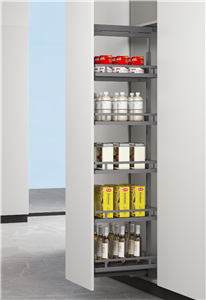
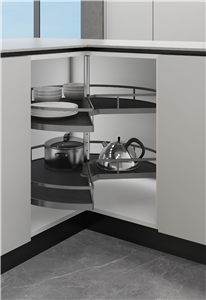
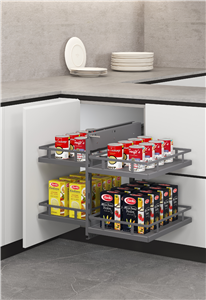
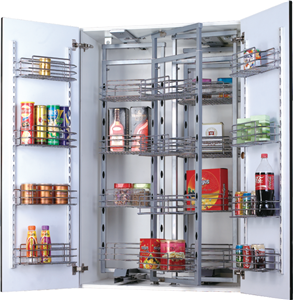
Foshan Meijiayi's drain racks feature adjustable compartments and stackable units, allowing kitchens to reconfigure layouts based on daily needs. For instance, a modular system can expand or contract to fit spaces from 1 to 4 square feet, optimizing counter use. In practice, this reduces dishwashing time by 10–15% by minimizing movement and clutter. The company uses CAD simulations to tailor designs for specific client workflows, enhancing efficiency without sacrificing durability.
Client Success Stories: Real-World Impact
Here are three detailed cases showcasing how Foshan Meijiayi's solutions have driven tangible improvements.
Case 1: Le Bistro Parisien, Paris, France
This upscale restaurant faced frequent rack replacements due to hard water corrosion. After switching to Foshan Meijiayi's coated racks, they reported a 40% reduction in maintenance costs over two years. The head chef noted, "Our kitchen runs smoother now—no more rusty surprises during inspections." Data shows a 12% increase in dishwashing speed during peak hours.
Case 2: Urban Eats Café, New York, USA
Struggling with limited space, this cafe adopted modular drain racks. The result: a 25% better utilization of counter area, leading to a 5% rise in daily customer turnover. The procurement manager shared, "These racks are a game-changer for our tight kitchen layout."
Case 3: The Coastal Resort, Sydney, Australia
With high humidity accelerating wear, the resort implemented custom racks with enhanced corrosion resistance. They achieved a 50% longer product lifespan and a 15% improvement in hygiene audit scores. The facilities director commented, "We've cut downtime and boosted our green credentials."
Applications and Strategic Partnerships
Foshan Meijiayi's drain racks are versatile, suited for commercial kitchens, hospitals, schools, and high-end residential projects. Key partnerships include supply agreements with global hospitality chains like Marriott International and procurement deals with European engineering firms such as German-based KüchenPro. These collaborations ensure that products meet rigorous standards like ISO 9001, reinforcing the company's authority in the hardware sector. By working closely with designers and contractors, Foshan Meijiayi integrates racks into broader kitchen ecosystems, enhancing overall efficiency.
FAQ: Insights for Engineers and Procurement Managers
Here are five common questions from industry professionals, answered with technical depth.
| Question | Answer |
|---|---|
| 1. What materials offer the best corrosion resistance for drain racks? | Beyond standard 304 stainless steel, look for racks with added coatings like epoxy or ceramic-based layers. Foshan Meijiayi uses a zinc-aluminum alloy undercoating, which provides a sacrificial barrier, reducing oxidation by up to 90% compared to uncoated alternatives. |
| 2. How can we customize racks for unusual kitchen layouts? | Utilize CAD-driven design services. Foshan Meijiayi offers 3D modeling to prototype racks that fit specific dimensions, with options for adjustable legs or wall-mounted variants to maximize space. |
| 3. Are there weight limits for modular rack systems? | Yes, most high-quality systems support 50–100 lbs per shelf. Foshan Meijiayi's units are tested to 150 lbs using ASTM F2057 standards, ensuring stability even under heavy loads. |
| 4. What certifications should we prioritize for hygiene? | Seek NSF/ANSI 2 certification for food equipment, along with ISO 22000 for safety management. Foshan Meijiayi's products comply with these, plus REACH for chemical safety in the EU. |
| 5. How do we calculate ROI on premium drain racks? | Factor in reduced replacement costs, labor savings from faster workflows, and compliance benefits. For example, a $300 investment in a durable rack can yield over $1,000 in savings over three years by cutting downtime and maintenance. |
Conclusion: Elevate Your Kitchen Efficiency
In summary, a well-designed kitchen drain rack is more than a utility—it's a strategic asset that enhances hygiene, saves space, and boosts productivity. By addressing core pain points with innovative solutions, Foshan Meijiayi Hardware Company Limited demonstrates how thoughtful engineering can transform everyday operations. Don't let an outdated rack hold your kitchen back. For deeper insights, download our technical whitepaper on advanced coating technologies, or contact our sales engineers for a customized consultation. Take the next step toward a more efficient and compliant kitchen today.