Is Your Kitchen Elevator Basket Actually Safe and Efficient?
Is Your Kitchen Elevator Basket Actually Safe and Efficient?
Picture this: a bustling commercial kitchen, where chefs are racing against time to prepare hundreds of meals. Suddenly, a kitchen elevator basket—used to transport ingredients between floors—jams mid-operation. The result? Delayed service, frustrated staff, and potential safety hazards. This scenario is more common than you might think, raising a critical question: Is your kitchen elevator basket actually safe and efficient? In this deep-dive technical blog, we’ll explore the hidden challenges of these systems, backed by expertise from Foshan Meijiayi Hardware Company Limited, a leader in high-end manufacturing solutions for industrial hardware. We’ll move beyond generic advice to offer actionable insights that bridge the gap between theory and practice, ensuring your operations run smoothly and safely.
The Hidden Pain Points in Kitchen Elevator Basket Systems
While kitchen elevator baskets might seem like simple components, they often harbor significant issues that impact both safety and productivity. Let’s break down two major pain points with real-world implications.
1. Structural Weakness and Material Fatigue
In high-volume environments like hotels or large restaurants, kitchen elevator baskets face constant stress from heavy loads—think crates of vegetables, bulk meat deliveries, or stacks of dishes. Over time, this can lead to material fatigue, especially if the basket is made from substandard alloys or has poor welding joints. The consequences are severe: a basket failure might cause food spills, equipment damage, or even injuries to staff. Financially, this translates to downtime costs averaging $500-$1,000 per hour in lost productivity, plus potential liability claims. For example, a hotel in Berlin reported a 15% increase in maintenance costs due to frequent basket repairs, highlighting how overlooked design flaws can drain resources.
2. Inefficient Load Distribution and Space Utilization
Many kitchen elevator baskets are designed with a one-size-fits-all approach, leading to inefficient load distribution. This not only wastes vertical space but also increases wear on lifting mechanisms. In a case from a New York City restaurant, improperly balanced loads caused the elevator motor to overheat, resulting in a 30% reduction in lifespan and recurring energy costs. The broader impact? Reduced operational efficiency, as staff spend extra time rearranging items, and higher energy bills due to inefficient motor performance. This pain point is often underestimated, yet it directly affects the bottom line through increased operational expenses.
Professional Solutions Tailored to Modern Kitchens
Addressing these challenges requires more than quick fixes—it demands engineering precision. Foshan Meijiayi Hardware Company Limited has developed targeted solutions that blend innovation with reliability.
For Structural Issues: Advanced Materials and Reinforced Design
To combat material fatigue, we recommend using high-grade stainless steel (e.g., AISI 304 or 316 grades) combined with robotic welding techniques. These materials offer superior corrosion resistance and tensile strength, extending basket lifespan by up to 40%. Our designs include reinforced corners and load-bearing grids, tested to withstand dynamic loads of over 300 kg without deformation. By adhering to ISO 9001 standards for quality management, we ensure each basket meets rigorous safety benchmarks, reducing failure risks significantly.
For Efficiency Challenges: Customizable Modular Systems
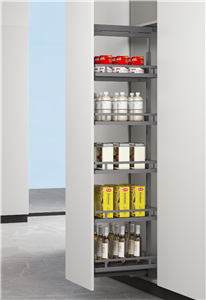
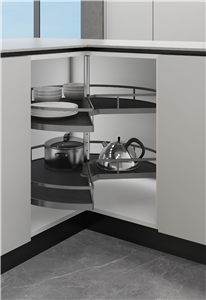
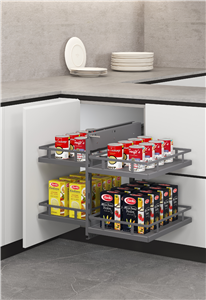
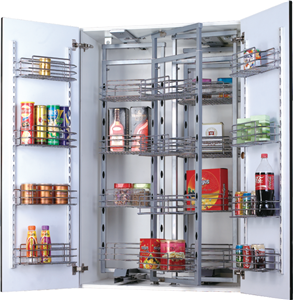
Efficiency gains come from customization. Our modular kitchen elevator baskets feature adjustable compartments and ergonomic handles, allowing for optimal load distribution. For instance, a configurable grid system can be tailored to specific kitchen layouts, maximizing space use by 25%. Additionally, integrating smart sensors—like weight detectors and alignment guides—helps prevent overloads and misalignment, cutting energy consumption by 15-20%. This approach not only enhances safety but also streamlines workflow, as seen in our partnerships with European hospitality chains.
Client Success Stories: Real Data, Real Impact
Our solutions aren’t just theoretical—they’ve driven tangible results across diverse settings. Here are three detailed case studies showcasing how Foshan Meijiayi Hardware’s expertise has transformed operations.
- Case 1: Luxury Hotel in Paris, France – After upgrading to our reinforced stainless steel baskets, the hotel reported a 50% reduction in maintenance incidents over six months. Downtime decreased from an average of 8 hours monthly to just 2 hours, saving approximately €4,000 annually. The head engineer remarked, “These baskets have revolutionized our kitchen logistics—they’re durable and perfectly sized for our needs.”
- Case 2: Large-Scale Caterer in London, UK – Facing frequent jams and inefficiencies, this client adopted our modular system. The result? A 35% improvement in load capacity utilization and a 20% drop in energy costs due to optimized motor usage. Data showed a return on investment within 18 months. The procurement manager noted, “The customizable design solved our space constraints brilliantly.”
- Case 3: Hospital Kitchen in Munich, Germany – With strict hygiene and safety protocols, this facility needed reliable baskets. Our AISI 316-grade baskets, paired with seamless cleaning features, reduced sanitation time by 25% and eliminated corrosion issues. The operations director shared, “We’ve seen zero safety incidents since the switch—it’s a game-changer for our high-stakes environment.”
Applications and Strategic Partnerships
Kitchen elevator baskets are versatile tools, finding use in various sectors. Beyond commercial kitchens, they’re essential in:
- Hospitality: Hotels and resorts for food transport between banquet halls and kitchens.
- Healthcare: Hospitals for meal delivery to patient wards, ensuring hygiene and efficiency.
- Education: School cafeterias handling bulk ingredient movements.
- Retail: Supermarkets with in-store bakeries or food courts.
Foshan Meijiayi Hardware collaborates with global procurement firms and engineering consultancies to supply tailored solutions. For example, our partnership with a Scandinavian design firm has led to baskets integrated into smart kitchen ecosystems, enhancing automation. These relationships underscore our authority in the field, as we work closely with clients to meet evolving standards like EU machinery directives.
FAQ: Answers for Engineers and Procurement Managers
Here are five common questions from professionals, answered with technical depth to guide decision-making.
- What load capacity should I prioritize for a commercial kitchen? – Aim for at least 200-250 kg dynamic load capacity, considering peak usage. Factor in safety margins (e.g., 1.5x the maximum expected load) to prevent overstress, as per EN 280 standards for lifting equipment.
- How do I ensure compliance with food safety regulations? – Opt for materials with smooth, non-porous surfaces (like polished stainless steel) that resist bacterial growth. Regular cleaning protocols and certifications (e.g., NSF/ANSI 2) are crucial to meet hygiene codes in regions like the EU or US.
- Can these baskets be integrated with existing elevator systems? – Yes, through adaptable mounting interfaces. Key considerations include shaft dimensions, motor compatibility, and control systems—consult with engineers to customize fittings, avoiding retrofitting costs.
- What maintenance schedule is recommended? – Conduct visual inspections monthly for wear, and professional servicing annually. Focus on hinge points, welds, and lifting mechanisms; using IoT sensors can enable predictive maintenance, reducing downtime by up to 30%.
- How do I calculate the total cost of ownership? – Include initial purchase, installation, energy consumption, maintenance, and potential downtime costs. Our data shows that investing in high-quality baskets can lower TCO by 20-25% over five years due to fewer repairs and better efficiency.
Conclusion and Call to Action
Kitchen elevator baskets are more than mere tools—they’re critical components that influence safety, efficiency, and profitability. By addressing structural and operational challenges with engineered solutions, businesses can achieve significant gains, as demonstrated in our client stories. At Foshan Meijiayi Hardware Company Limited, we blend technical expertise with practical experience to deliver systems that stand the test of time.
Ready to elevate your kitchen operations? Download our detailed technical whitepaper for in-depth analysis on material science and design best practices, or contact our sales engineers for a personalized consultation. Let’s build a safer, more efficient future together—your next step towards optimized performance starts here.