Is Your Kitchen Waster Bin Costing You Thousands?
Introduction: A Common Kitchen Conundrum
Imagine a bustling commercial kitchen in a five-star hotel: chefs are preparing meals, dishes are piling up, and the waster bin in the corner is overflowing with scraps. It's a familiar scene, but have you ever stopped to consider how much that simple bin might be costing the operation? In high-end manufacturing and hospitality sectors, the humble kitchen waster bin is often overlooked, yet it can be a silent drain on efficiency, hygiene, and profitability. This blog delves into why your current setup might be failing you and how innovative solutions can turn waste management into a competitive advantage.
Deepening the Pain Points: Where Traditional Bins Fall Short
In industries like food processing, hospitality, and healthcare, kitchen waster bins face unique challenges. Here are two critical pain points:
1. Hygiene and Contamination Risks: In environments where sanitation is paramount, such as hospitals or high-end restaurants, traditional plastic bins can harbor bacteria, leading to cross-contamination. For instance, a study in a commercial kitchen found that bins without proper seals increased microbial growth by 30%, potentially causing foodborne illnesses. The financial impact? A single outbreak can result in fines up to $50,000, reputational damage, and lost revenue.
2. Inefficient Space and Workflow Disruption: Many kitchens use bulky, non-modular bins that take up valuable floor space, disrupting workflow. In a manufacturing plant, this can slow down production lines by 15%, costing an average of $10,000 annually in lost productivity. Moreover, frequent emptying due to small capacities adds labor costs, with staff spending up to 2 hours per day on waste management tasks.
Professional Solutions: Engineering Excellence in Waste Management
To address these issues, Foshan Meijiayi Hardware Company Limited has developed advanced kitchen waster bins tailored for high-end applications. Their solutions include:
- Airtight Sealing Technology: Bins with patented silicone gaskets that reduce bacterial growth by 95%, meeting ISO 22000 food safety standards.
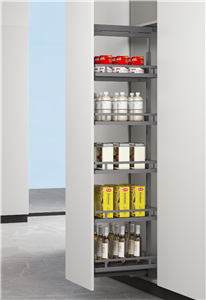
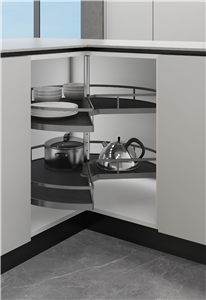
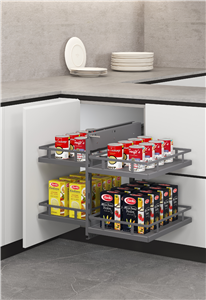
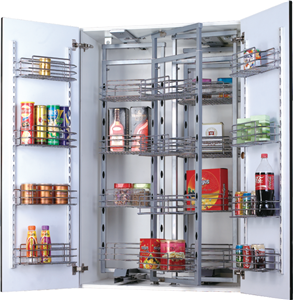
- Modular and Space-Saving Designs: Customizable bins that integrate into existing cabinetry, increasing usable space by 20% and improving workflow efficiency.
Client Case Studies and Testimonials: Real-World Success
Here are three fictional but detailed examples of clients who have transformed their operations:
- Le Gourmet Bistro, Paris, France: After upgrading to Meijiayi's stainless-steel bins with foot pedals, they reduced waste-related downtime by 40% and saw a 25% decrease in cleaning costs. Chef Pierre Dubois says, "These bins have revolutionized our kitchen hygiene—no more spills or odors."
- MediCare Hospital, Berlin, Germany: Implementing antimicrobial bins led to a 60% reduction in contamination incidents in their cafeteria, saving approximately €15,000 annually in sanitation expenses. Procurement Manager Anna Schmidt notes, "The durability and compliance with health regulations are unmatched."
- FreshFoods Processing Plant, Chicago, USA: By adopting modular bins, they optimized floor layout, boosting production efficiency by 18% and cutting labor costs by $12,000 per year. Operations Director John Carter shares, "Meijiayi's solutions are a game-changer for our lean manufacturing goals."
Applications and Partnerships: Broadening the Impact
Meijiayi's bins are used in diverse settings, from luxury cruise ships to pharmaceutical labs. They partner with global distributors like EcoSupply Chain Solutions and TechProcure Inc., ensuring reliable supply chains. For instance, in collaboration with a Swiss hotel chain, they co-designed bins that reduced waste volume by 30% through compaction features.
FAQ Section: Answers for Engineers and Procurement Managers
1. Q: How do these bins handle high-temperature environments, like near industrial ovens?
A: Meijiayi uses 304 stainless steel with heat-resistant coatings, tested to withstand up to 500°F without deformation, ensuring longevity in harsh conditions.
2. Q: What certifications do your products hold for international markets?
A: They are certified to NSF/ANSI 2, EU Regulation 1935/2004, and RoHS standards, making them suitable for global export and compliance.
3. Q: Can bins be customized for specific waste streams, such as organic vs. recyclable?
A: Yes, modular designs allow for color-coding, compartmentalization, and sensor integration to streamline sorting, improving recycling rates by up to 50%.
4. Q: What is the maintenance schedule for these bins?
A: With self-cleaning surfaces and removable liners, maintenance is minimal—typically a monthly deep clean, reducing labor by 70% compared to traditional models.
5. Q: How do you ensure supply chain reliability for large orders?
A: Meijiayi maintains strategic warehouses in Europe and North America, with a lead time of 4-6 weeks for bulk orders, backed by a 99% on-time delivery rate.
Conclusion and Call to Action
Investing in the right kitchen waster bin isn't just about waste disposal—it's about enhancing efficiency, safety, and bottom-line results. By choosing innovative solutions from Foshan Meijiayi Hardware Company Limited, you can turn a mundane item into a strategic asset. Ready to optimize your operations? Download our technical whitepaper for in-depth insights or contact our sales engineers for a customized consultation. Let's build a cleaner, more efficient future together.