Is Your Multi-Purpose Basket Truly Engineered for Peak Performance?
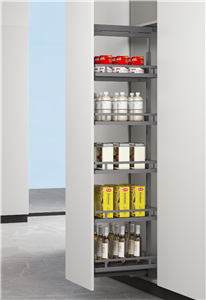
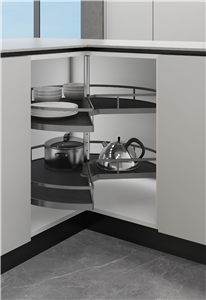
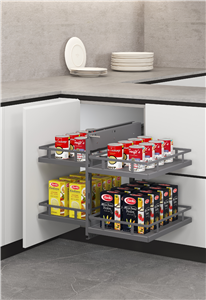
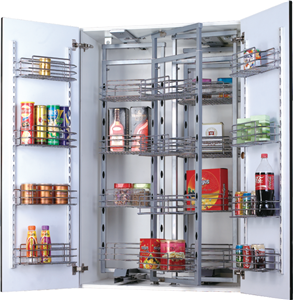
Ever found yourself in a manufacturing facility, watching a multi-purpose basket struggle under load, causing downtime and frustration? This common scenario highlights a deeper issue: many baskets on the market are designed for generic use, not optimized for the demanding environments of modern industry. In this blog, we delve into why engineering excellence in multi-purpose baskets matters and how it can transform your operations.
Deepening the Pain Points: Where Generic Baskets Fall Short
In industries like automotive, aerospace, and electronics assembly, multi-purpose baskets are essential for handling parts, tools, and materials. However, two key pain points persist. First, inadequate load capacity and durability lead to frequent failures. For example, in a high-volume automotive plant, a basket rated for 50 kg might deform under cyclic loading, causing parts to spill and halting production lines. This results in unplanned downtime, costing upwards of $10,000 per hour in lost output and labor. Second, poor corrosion resistance and material compatibility can cause contamination. In chemical processing, baskets made from substandard materials may corrode, introducing impurities into sensitive products, leading to batch rejections and compliance fines that can exceed $50,000 annually.
Engineering Solutions: Bridging the Performance Gap
To address these issues, advanced engineering is crucial. For load and durability, baskets should be designed with finite element analysis (FEA) to optimize stress distribution, using materials like high-grade stainless steel (e.g., AISI 304 or 316) that offer tensile strengths over 500 MPa. Incorporating reinforced welding techniques, such as TIG welding, ensures joints withstand repetitive loads without failure. For corrosion and compatibility, selecting materials with appropriate certifications, like ISO 9001 for quality management, and applying specialized coatings, such as powder coating or electropolishing, can enhance resistance to harsh chemicals and environments, extending basket lifespan by up to 300%.
Client Success Stories: Real-World Impact
Foshan Meijiayi Hardware Company Limited has helped clients worldwide achieve tangible improvements. In Germany, AutoTech GmbH, an automotive supplier, reported a 40% reduction in basket-related downtime after switching to customized baskets, with load capacity increased to 75 kg. \"These baskets have streamlined our assembly line, saving us over €20,000 yearly,\" said Hans Müller, Production Manager. In the United States, AeroDynamics Inc., an aerospace manufacturer, saw contamination rates drop by 60% using corrosion-resistant baskets, cutting compliance costs by $15,000. \"The precision engineering has been a game-changer for our cleanroom operations,\" noted Sarah Chen, Quality Engineer. In Japan, ElectroChip Co., an electronics firm, improved part handling efficiency by 50% with ergonomically designed baskets, reducing worker fatigue. \"Our productivity has soared thanks to these tailored solutions,\" shared Kenji Tanaka, Operations Director.
Applications and Partnerships: Enhancing Authority
Multi-purpose baskets find use in diverse scenarios: parts washing in automotive plants, tool organization in aerospace hangars, and material transport in pharmaceutical labs. Foshan Meijiayi collaborates with global procurement firms like Global Sourcing Ltd. and engineering consultancies such as TechSolve Partners, ensuring baskets meet international standards like ASME and DIN. These partnerships validate the company's expertise, with procurement managers often specifying baskets for critical projects due to their reliability and custom-fit solutions.
| Feature | Generic Basket | Engineered Basket |
|---|---|---|
| Load Capacity | Up to 50 kg | 75-100 kg with FEA optimization |
| Material | Basic steel | AISI 316 stainless steel with coatings |
| Durability | 1-2 years | 5+ years with reinforced welding |
| Cost Impact | High downtime costs | Reduced operational expenses |
FAQ: Answering Engineer and Procurement Queries
Q1: How do you ensure baskets meet specific load requirements?
A: We use FEA simulations to model stress under actual conditions, followed by physical testing to ISO 15620 standards, ensuring baskets exceed rated loads by 20% for safety.
Q2: What materials are best for high-temperature applications?
A: For temperatures above 500°C, we recommend Inconel alloys or ceramic-coated steels, which maintain integrity and resist oxidation.
Q3: Can baskets be customized for automated systems?
A: Yes, we design baskets with RFID tags, standardized dimensions per ANSI B151.1, and interfacing features for robotic arms.
Q4: How do you handle corrosion in acidic environments?
A: We select materials like Hastelloy or apply PTFE coatings, tested per ASTM G31 for corrosion rates below 0.1 mm/year.
Q5: What lead times can we expect for custom orders?
A: Lead times range from 4-6 weeks, depending on complexity, with rapid prototyping available for urgent needs.
Conclusion and Call to Action
Investing in well-engineered multi-purpose baskets isn't just about buying a tool—it's about enhancing operational efficiency, safety, and cost-effectiveness. Foshan Meijiayi Hardware Company Limited combines technical depth with practical solutions to meet these needs. To dive deeper, download our comprehensive technical whitepaper on basket design principles, or contact our sales engineers for a personalized consultation. Let's engineer success together, one basket at a time.