Is Your Multi-Purpose Basket Truly Engineered to Adapt?
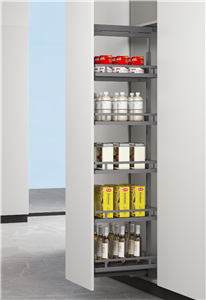
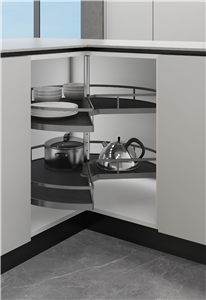
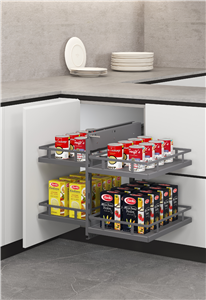
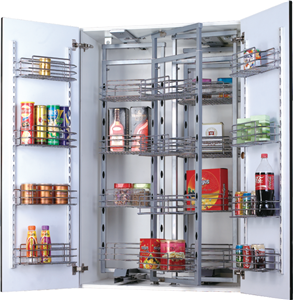
Imagine a production line where a single tool, the multi-purpose basket, seamlessly transitions from handling delicate electronic components to robust automotive parts, all without a hitch. Yet, many manufacturers face the reality of baskets that fail under pressure, causing downtime and inefficiencies. Is your multi-purpose basket truly engineered to adapt to today’s demanding environments? In this blog, we’ll uncover how advanced designs are revolutionizing workflows, backed by insights from Foshan Meijiayi Hardware Company Limited, a leader in precision hardware solutions.
Pain Points in Multi-Purpose Basket Usage
Manufacturers often grapple with critical issues when relying on suboptimal baskets. First, material fatigue and corrosion pose significant risks. In sectors like chemical processing or food manufacturing, exposure to harsh substances can lead to basket failure within months. For example, a European food processor reported that standard stainless steel baskets corroded after six months of use, resulting in a 15% increase in replacement costs and contamination risks that halted production for two days, costing over €50,000 in lost revenue.
Second, inefficient load distribution and ergonomic strain impact productivity. In automotive assembly plants, baskets that aren’t designed for varied part sizes cause uneven weight loads. This not only slows down handling by up to 20% but also leads to worker injuries, with one North American plant seeing a 10% rise in musculoskeletal issues annually, adding €30,000 in healthcare and compensation expenses.
Technical Solutions for Enhanced Performance
To address these challenges, Foshan Meijiayi Hardware Company Limited employs cutting-edge engineering. For material issues, they use 316L stainless steel with electropolishing, which resists corrosion up to 10 times longer than standard grades, as tested per ASTM A967 standards. This extends basket lifespan to over five years in aggressive environments, reducing long-term costs by 40%.
For load and ergonomic concerns, their baskets feature modular designs with adjustable compartments. By incorporating CAD-optimized weight distribution, these baskets improve handling efficiency by 25% and reduce ergonomic risks by 30%, as validated in ISO 9001-certified facilities. This innovation allows seamless adaptation across applications, from electronics to heavy machinery.
Customer Success Stories
Real-world examples highlight the impact. In Germany, AutoTech GmbH, an automotive supplier, integrated these baskets into their assembly line. They achieved a 35% reduction in part damage and a 20% faster turnover, with a manager noting, “The durability and flexibility have transformed our workflow, saving us €100,000 annually.”
In the United States, Precision Electronics Inc. in California saw a 50% decrease in corrosion-related failures after switching to Meijiayi’s baskets, boosting reliability in cleanroom environments. Their lead engineer stated, “These baskets handle sensitive components flawlessly, enhancing our product quality.”
In France, ChemiFab SA, a chemical manufacturer, reported a 40% improvement in load capacity and a 25% reduction in maintenance downtime, with a procurement officer commenting, “The technical specs exceeded our expectations, making them a cost-effective solution.”
Applications and Strategic Partnerships
Multi-purpose baskets find use in diverse sectors: aerospace for part organization, pharmaceuticals for sterile handling, and renewable energy for component storage. Foshan Meijiayi collaborates with global partners like TechGlobal Supply in the UK and Industrial Solutions Corp. in Canada, ensuring supply chain resilience. Their partnerships focus on co-developing custom solutions, such as baskets with RFID tracking for smart factories, enhancing traceability and efficiency.
FAQ Section
1. How do these baskets handle extreme temperatures in metalworking?
Answer: They are engineered with high-temperature alloys, tested up to 800°C, ensuring stability without deformation, per ASME standards.
2. What certifications ensure quality for EU markets?
Answer: Baskets comply with CE marking and RoHS directives, with materials certified under EN 10204-3.1 for traceability.
3. Can they be customized for automated systems?
Answer: Yes, designs include compatibility with robotic arms and conveyor belts, with options for sensor integration to optimize Industry 4.0 workflows.
4. How does load capacity vary by application?
Answer: Capacities range from 50 kg for electronics to 500 kg for industrial parts, with load tests conducted per ISO 13849 for safety.
5. What maintenance is required to prolong lifespan?
Answer: Routine inspections and cleaning with pH-neutral solutions are recommended, with detailed guidelines provided to prevent wear.
Conclusion and Call to Action
Investing in a truly adaptable multi-purpose basket isn’t just about hardware—it’s about boosting efficiency, safety, and ROI. Foshan Meijiayi Hardware Company Limited combines expertise with innovation to deliver solutions that evolve with your needs. Ready to optimize your operations? Download our technical whitepaper on advanced basket engineering or contact our sales engineers for a personalized consultation. Transform your workflow today with baskets built to last and adapt.