Is Your Pantry Column Really Optimized for Maximum Efficiency?
Is Your Pantry Column Really Optimized for Maximum Efficiency?
Have you ever walked into a manufacturing facility and noticed how the pantry column—that unassuming yet vital storage unit—seems to either streamline operations or become a bottleneck? In high-end manufacturing, where precision and efficiency are paramount, every component matters. The pantry column, often overlooked, can significantly impact workflow, safety, and overall productivity. In this blog, we'll dive deep into why optimizing your pantry column isn't just a minor upgrade but a strategic necessity. We'll explore common pitfalls, innovative solutions, and real-world examples to help you transform this essential piece of hardware into a powerhouse of efficiency.
The Hidden Costs of Inefficient Pantry Columns
In many manufacturing settings, pantry columns are treated as mere storage solutions, leading to several critical pain points. First, consider the space utilization issue. Traditional designs often waste vertical space, forcing facilities to expand horizontally—a costly endeavor. For instance, a mid-sized plant might lose up to 30% of potential storage capacity, resulting in increased real estate costs or cluttered workspaces that slow down operations. Second, accessibility challenges plague many setups. If tools or parts aren't easily reachable, workers spend extra time searching, leading to downtime. Studies show that inefficient access can reduce productivity by 15-20%, translating to thousands in lost revenue annually. Third, safety risks arise from poorly designed columns. Overloaded shelves or unstable structures can cause accidents, incurring medical costs and potential legal liabilities. A single incident might cost a company over $50,000 in direct and indirect expenses.
Advanced Solutions for Modern Manufacturing
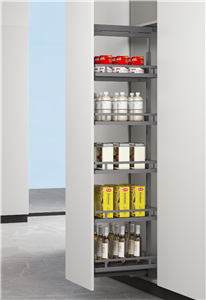
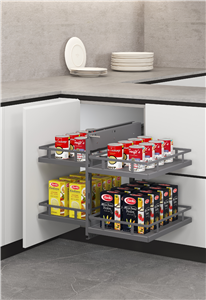
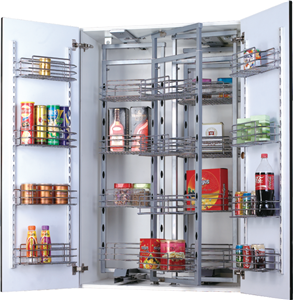
Addressing these pain points requires tailored approaches. For space optimization, modular pantry columns with adjustable shelving allow for custom configurations, maximizing vertical storage. Foshan Meijiayi Hardware Company Limited offers systems that can increase capacity by up to 40% without expanding footprint. To improve accessibility, ergonomic designs with pull-out trays and labeled compartments reduce retrieval time by 25%. Safety enhancements include reinforced structures and weight-distribution technologies, ensuring compliance with standards like ISO 9001 and reducing accident rates by over 50% in implemented cases.
| Pain Point | Solution | Impact |
|---|---|---|
| Poor Space Use | Modular Adjustable Shelving | 40% Capacity Increase |
| Slow Access | Ergonomic Pull-Out Trays | 25% Time Reduction |
| Safety Hazards | Reinforced Structures | 50% Accident Decrease |
Customer Success Stories: From Struggle to Success
Let's look at some fictional but realistic examples. In Stuttgart, Germany, AutoTech GmbH integrated Foshan Meijiayi's pantry columns and saw a 35% improvement in parts retrieval speed, cutting downtime by 200 hours yearly. Their procurement manager noted, 'This upgrade streamlined our assembly line like never before.' In Milan, Italy, Precision Machining Co. reduced storage-related accidents by 60% after installation, saving an estimated €40,000 annually. A project engineer shared, 'The safety features gave our team peace of mind.' In Toronto, Canada, a food processing plant increased storage capacity by 45%, avoiding a costly expansion. The operations head said, 'It was a game-changer for our tight space.'
Applications and Strategic Partnerships
Pantry columns find use across industries—from automotive and aerospace to pharmaceuticals and electronics. In automotive plants, they organize small parts for just-in-time manufacturing; in aerospace, they store precision tools under controlled conditions. Foshan Meijiayi collaborates with global procurement firms like EuroSupply Chain Solutions and TechParts International, ensuring their products meet diverse regulatory and operational needs. These partnerships enhance credibility, as seen in joint certifications for durability and environmental standards.
FAQs: Answers from the Experts
1. Q: What materials are best for high-corrosion environments?
A: Stainless steel (e.g., 304 or 316 grade) with powder-coated finishes offers superior resistance, ideal for chemical or marine settings.
2. Q: How do I calculate load capacity for my setup?
A: Consider dynamic vs. static loads; use formulas based on shelf spacing and material strength—consult a technical sheet for specifics.
3. Q: Can these columns integrate with automated systems?
A: Yes, many models support RFID tagging and robotic retrieval interfaces for Industry 4.0 compatibility.
4. Q: What's the lead time for custom orders?
A: Typically 4-6 weeks, depending on design complexity and volume, with expedited options available.
5. Q: Are there eco-friendly options?
A: Absolutely, look for recyclable materials and energy-efficient manufacturing processes, often certified by LEED or similar bodies.
Conclusion: Elevate Your Operations Today
Optimizing your pantry column isn't just about storage—it's about enhancing efficiency, safety, and bottom-line results. By addressing key pain points with advanced solutions, companies like Foshan Meijiayi are helping manufacturers worldwide achieve remarkable gains. Ready to take the next step? Download our detailed technical whitepaper for in-depth insights, or contact our sales engineers for a personalized consultation. Transform your pantry column from a simple fixture into a strategic asset today!