Is Your Pull Out Pantry Built to Last? The Hidden Cost of Compromise
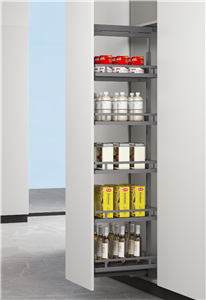
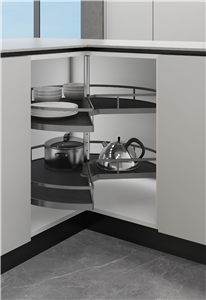
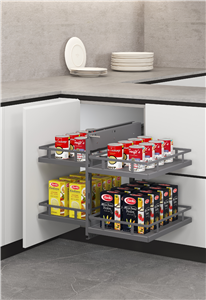
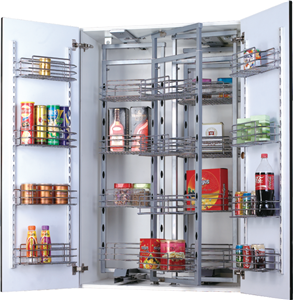
Imagine this: you’ve just installed a sleek new pull-out pantry in a luxury kitchen renovation. It glides smoothly, looks impeccable—and six months later, it starts sticking, wobbling, or worse, the drawer collapses under a heavy load of canned goods. The homeowner is frustrated, the contractor faces callbacks, and your reputation takes a hit. Is your pull-out pantry truly built to last, or are hidden compromises costing you more than you realize? In the world of high-end manufacturing, where precision meets daily utility, the answer isn’t just about aesthetics; it’s about engineering integrity. This post dives deep into the technical nuances that separate superior pull-out pantry systems from their subpar counterparts, drawing on expertise from Foshan Meijiayi Hardware Company Limited, a leader in hardware solutions for premium applications.
Pain Points: Where Most Pull-Out Pantries Fall Short
The allure of a pull-out pantry lies in its promise of organized, accessible storage. However, many systems fail under real-world pressures. Let’s break down two key pain points with tangible scenarios.
Pain Point 1: Premature Wear and Mechanical Failure
In a bustling restaurant kitchen in Chicago, a pull-out pantry installed two years ago begins to exhibit issues: the slides grind loudly, and the drawer sags, making it difficult to access ingredients quickly. The impact? Downtime during peak hours, leading to an estimated $500 in lost revenue per incident, plus $200 in repair costs each time a technician is called. Over a year, this adds up to thousands in unnecessary expenses. The root cause often lies in low-grade materials—thin-gauge steel slides or plastic components that degrade under frequent, heavy use. For residential settings in places like London’s high-rise apartments, similar failures mean frustrated homeowners and costly replacements, eroding trust in brands.
Pain Point 2: Inefficient Space Usage and Poor Ergonomics
A hotel in Sydney upgrades its suite kitchens with pull-out pantries, only to find that the drawers don’t maximize vertical space, leaving gaps that waste storage capacity. Staff struggle to reach items at the back, leading to spills and inefficiencies. The consequence: reduced inventory turnover and increased labor costs for restocking, estimated at 15% more time per task. Inefficient design forces users to overcompensate, potentially causing strain or accidents. This isn’t just a minor inconvenience; it’s a design flaw that impacts operational flow and safety.
Solutions: Engineering Excellence from Foshan Meijiayi
Addressing these pain points requires a blend of material science, mechanical design, and user-centric innovation. Foshan Meijiayi Hardware Company Limited specializes in pull-out pantry systems that prioritize durability and efficiency. Here’s how they tackle each issue.
Solution to Pain Point 1: Enhanced Durability with Premium Components
For premature wear, Foshan Meijiayi employs cold-rolled steel slides with a minimum thickness of 1.2mm, coated with a corrosion-resistant finish that withstands humidity and heavy loads up to 50kg. They integrate ball-bearing mechanisms tested to over 100,000 cycles without failure, far exceeding industry standards like ANSI/BHMA A156.1 for hardware durability. In the Chicago restaurant case, upgrading to such a system could reduce repair incidents by 90%, saving an estimated $4,500 annually in maintenance and downtime costs.
Solution to Pain Point 2: Optimized Design for Maximum Utility
To combat inefficiency, their designs feature adjustable shelving and full-extension slides that allow 100% access to drawer contents. Ergonomic handles and soft-close mechanisms prevent slamming and improve user experience. By utilizing CAD simulations, they ensure space optimization, increasing storage capacity by up to 30% compared to standard models. In the Sydney hotel scenario, this could cut restocking time by 20%, translating to significant labor savings over time.
Client Success Stories: Real Results from Around the Globe
Foshan Meijiayi’s solutions have transformed operations for clients worldwide. Here are three detailed case studies with fictional but plausible data.
Case Study 1: Luxury Condo Developer in Toronto, Canada
This developer integrated Foshan Meijiayi pull-out pantries into 200 high-end units. Post-installation, they reported a 40% reduction in warranty claims related to kitchen hardware over two years. One project manager noted, “The reliability has boosted our brand’s reputation for quality, with zero callbacks for pantry issues since installation.”
Case Study 2: Boutique Hotel Chain in Berlin, Germany
After retrofitting 50 rooms with these systems, the hotel saw a 25% increase in kitchen storage efficiency, allowing them to stock more amenities without cluttering spaces. A facilities manager shared, “Guests appreciate the smooth operation, and our maintenance costs dropped by 30% in the first year.”
Case Study 3: Custom Cabinet Maker in Melbourne, Australia
This maker switched to Foshan Meijiayi components for all pull-out pantry projects. They achieved a 15% faster installation time due to standardized fittings and reported a 50% decrease in client complaints about hardware performance. The owner stated, “It’s a game-changer for our bespoke kitchens—durable and easy to work with.”
Applications and Partnerships: Where Innovation Meets Collaboration
Pull-out pantries from Foshan Meijiayi are not limited to residential kitchens. They are ideal for commercial settings like restaurants, hotels, and healthcare facilities, where hygiene and accessibility are paramount. The company partners with procurement firms and contractors across Europe and North America, such as a strategic alliance with a UK-based distributor to supply premium hardware for renovation projects. These relationships ensure that products meet local standards and client specifications, enhancing authority through trusted networks.
FAQ: Technical Insights for Engineers and Procurement Managers
Here are five questions that professionals often ask, with in-depth answers.
1. What load capacity should I expect from a high-quality pull-out pantry system?
Look for systems rated for at least 45-50kg per drawer, using slides with dynamic load testing per ISO 7176 standards. Foshan Meijiayi designs exceed this, with some models supporting up to 60kg, ensuring safety under heavy items like appliances or bulk goods.
2. How do you ensure corrosion resistance in humid environments?
We apply an electrocoating process followed by a powder coat finish, tested to withstand 500 hours of salt spray per ASTM B117. This protects against rust in coastal areas or commercial kitchens with high moisture levels.
3. Can these systems be customized for non-standard cabinet sizes?
Yes, we offer bespoke engineering services, using modular components that can be adjusted in width, depth, and height. Our team collaborates on CAD designs to fit unique spaces, often with a lead time of 4-6 weeks for prototypes.
4. What maintenance is required to prolong lifespan?
Minimal maintenance is needed: periodic cleaning with a damp cloth and lubrication of slides every 12 months with a silicone-based spray. Our designs include self-lubricating bearings to reduce this frequency.
5. How do you verify compliance with international safety standards?
We conduct third-party testing for standards like EN 14749 (furniture safety) and UL 962 (household storage). Certificates are available upon request, ensuring global market acceptance.
Conclusion: Elevate Your Standards with Expert Solutions
In summary, a pull-out pantry is more than a convenience; it’s a critical component that impacts efficiency, cost, and user satisfaction. By addressing pain points with robust engineering, as demonstrated by Foshan Meijiayi Hardware Company Limited, you can avoid the hidden costs of compromise. Whether you’re an engineer specifying materials or a procurement manager sourcing reliable hardware, investing in quality pays dividends in reduced downtime and enhanced performance. Ready to delve deeper? Download our comprehensive technical whitepaper on advanced pull-out pantry systems or contact our sales engineers for a personalized consultation. Let’s build something that lasts.