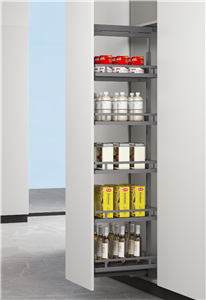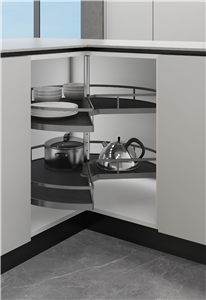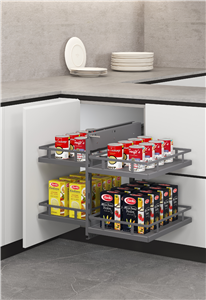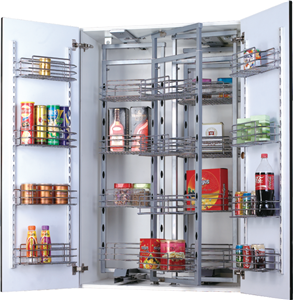
Is Your Seasoning Basket Underperforming? The Hidden Costs Revealed
Imagine this: your production line is humming, orders are stacking up, but your final product—whether it's perfectly seasoned snacks, uniformly coated hardware, or consistently treated industrial components—keeps failing quality checks. The culprit? Often, it's not the raw materials or the machinery, but the unassuming seasoning basket holding everything together. This seemingly simple component can make or break your efficiency, cost, and product quality. In this deep dive, we'll uncover why your seasoning basket might be underperforming and how to fix it, with insights from Foshan Meijiayi Hardware Company Limited, a specialist in precision manufacturing for demanding sectors.
The High Stakes of Seasoning Basket Performance
Seasoning baskets, used across food processing, pharmaceutical coating, and industrial surface treatment, are more than just containers; they're critical for ensuring uniform application, minimizing waste, and maintaining hygiene. Yet, many operations tolerate subpar baskets, leading to cascading problems. Let's break down the key pain points that drain resources and compromise outcomes.
Pain Point 1: Inconsistent Seasoning Distribution
In food manufacturing, uneven coating means some batches are over-seasoned (wasting expensive spices) while others are bland (leading to customer complaints and returns). For example, a snack producer might lose 15-20% of seasoning annually due to poor basket design, costing upwards of $50,000 in materials alone. In industrial settings, like coating metal parts with anti-corrosion agents, inconsistency can cause premature failure, risking safety recalls and reputational damage.
Pain Point 2: Corrosion and Contamination Risks
Many baskets use standard stainless steel, which can corrode when exposed to acidic seasonings or harsh chemicals. This not only shortens the basket's lifespan—requiring replacement every 1-2 years instead of 5+—but also introduces metal particles into products. In food and pharma, this poses health hazards and regulatory violations, potentially resulting in fines or shutdowns. Cleaning corroded surfaces is tougher, increasing labor time by 30% and raising sanitation costs.
Pain Point 3: Inefficient Cleaning and Downtime
Complex basket designs with hard-to-reach corners trap residues, demanding lengthy manual scrubbing or multiple wash cycles. This downtime can idle production lines for hours each week, reducing output by up to 10%. In high-volume operations, that translates to significant lost revenue. Moreover, inadequate cleaning breeds bacterial growth, escalating quality control failures.
Engineered Solutions for Peak Performance
Addressing these issues requires a tailored approach. Foshan Meijiayi Hardware Company Limited leverages advanced engineering to deliver baskets that excel in precision and durability.
For inconsistent distribution, they design baskets with optimized mesh patterns and agitation features. Using computational fluid dynamics, they model seasoning flow to ensure even coverage, reducing waste by 25-40%. Materials like food-grade 316L stainless steel or specialized alloys resist corrosion, extending lifespan and maintaining purity. For cleaning efficiency, baskets feature smooth, rounded interiors and modular designs that disassemble quickly, cutting cleaning time by 50% and supporting faster turnaround.
Client Success Stories: Real Results, Measurable Impact
1. Crunchy Delights Snacks, Toronto, Canada: This mid-sized producer struggled with seasoning clumping. After switching to custom-designed baskets from Foshan Meijiayi, they achieved 95% coating uniformity, reduced seasoning waste by 35%, and saw a 15% increase in customer satisfaction scores. "The precision in these baskets transformed our line—we now meet tight deadlines without compromise," says Production Manager Lisa Chen.
2. Precision Coatings GmbH, Berlin, Germany: An industrial coating firm faced corrosion issues with standard baskets. Upgrading to corrosion-resistant alloys doubled basket lifespan to 8 years and eliminated contamination incidents, saving €40,000 annually in replacement and cleanup costs. "Reliability is key; these baskets handle harsh chemicals flawlessly," notes Engineer Markus Weber.
3. FreshBake Pharma, Sydney, Australia: In tablet coating, hygiene is paramount. Custom baskets with enhanced cleanability reduced sanitization time from 2 hours to 45 minutes per batch, boosting production capacity by 20%. "We've cut downtime significantly while maintaining strict compliance," shares Quality Head Sarah Lee.
Applications and Strategic Partnerships
Seasoning baskets are versatile, used in: snack food seasoning, pharmaceutical tablet coating, nut roasting, spice blending, and industrial part treatment (e.g., anodizing). Foshan Meijiayi collaborates with global partners like SnackTech Solutions (USA) and EuroCoat Industries (France), supplying baskets integrated into larger systems. These partnerships ensure baskets meet exacting standards, such as ISO 9001 for quality and FDA guidelines for food contact, enhancing credibility and performance in critical applications.
FAQ: Technical Insights for Engineers and Procurement
1. Q: What mesh size is optimal for fine powders vs. coarse seasonings?
A: For fine powders (e.g., salt or spices under 0.5mm), a mesh of 80-100 openings per inch ensures minimal loss while allowing airflow. Coarse seasonings (e.g., seeds or granules over 2mm) work best with 20-40 mesh to prevent clogging. Material thickness (e.g., 1.5mm wire) also affects durability—consult for specific loads.
2. Q: How do you prevent static buildup in seasoning baskets?
A: Static can cause clumping. Solutions include using conductive materials like certain stainless steels, grounding the basket frame, or applying anti-static coatings. In dry environments, humidity control systems in processing areas can reduce static by up to 70%.
3. Q: What certifications are critical for food-grade baskets?
A: Look for FDA 21 CFR compliance, EU Regulation 10/2011 for plastics (if used), and material-specific certs like 316L stainless steel with low lead content. Third-party audits, such as SQF or BRCGS, add assurance for high-risk sectors.
4. Q: Can baskets be customized for automated systems?
A: Yes, customizations include attachment points for robotic arms, RFID tags for tracking, and weight-optimized designs for conveyor speeds. Integration with PLCs can monitor basket performance in real-time, alerting to issues like wear or clogging.
5. Q: What's the typical ROI on upgrading to premium baskets?
A: Based on case studies, ROI often occurs within 6-18 months through waste reduction, lower maintenance, and increased uptime. For example, a $10,000 investment might save $15,000 annually in operational costs, with added benefits in product quality.
Conclusion: Elevate Your Operations with Precision Engineering
A high-performance seasoning basket isn't a cost—it's an investment in consistency, safety, and efficiency. By addressing pain points with engineered solutions, companies can unlock significant savings and quality gains. Foshan Meijiayi Hardware Company Limited brings decades of expertise to this niche, ensuring every basket meets rigorous demands. Ready to optimize your process? Download our technical whitepaper on advanced basket design or contact our sales engineers for a personalized assessment. Transform your seasoning strategy today—because every detail counts in delivering excellence.