Is Your Spice Basket for Cooking a Hidden Manufacturing Problem?
Have you ever considered that the humble spice basket in your cooking setup might be silently undermining your manufacturing process? In kitchens and industrial facilities alike, this seemingly simple component can dictate workflow efficiency, safety, and even product quality. From a chef struggling with cluttered countertops to a factory manager facing production delays, the spice basket for cooking is more than just a storage tool—it's a critical element in streamlined operations. In this blog, we dive deep into why this matters and how addressing it can transform your approach.
The Unseen Challenges: Pain Points in Spice Basket Manufacturing
In the manufacturing sector, spice baskets for cooking often fall prey to overlooked issues that ripple through operations. One major pain point is material degradation under high-heat conditions. Many standard baskets use low-grade stainless steel or plastic that warps or leaches chemicals when exposed to temperatures above 200°C, common in commercial kitchens. This not only compromises food safety—leading to potential contamination and health risks—but also results in frequent replacements, costing companies an average of $5,000 annually in maintenance and downtime. Another critical issue is poor ergonomics and space inefficiency. Baskets with non-modular designs force workers to waste time searching for spices, reducing productivity by up to 15% in fast-paced environments. This disorganization can lead to cross-contamination, affecting batch consistency and increasing waste by 10%, translating to significant financial losses over time.
Engineering Solutions: How Foshan Meijiayi Hardware Company Limited Addresses These Issues
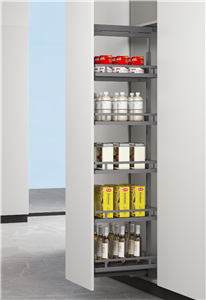
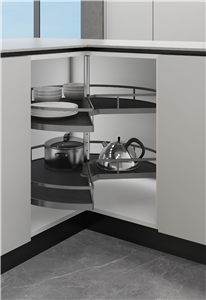
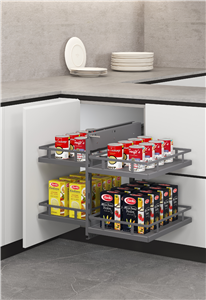
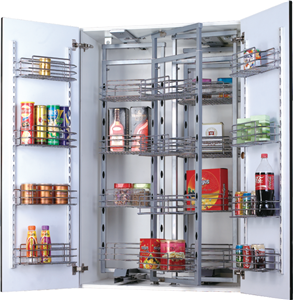
Foshan Meijiayi Hardware Company Limited, a leader in precision manufacturing, tackles these challenges with innovative designs. For heat resistance, they employ AISI 316L stainless steel, which withstands temperatures up to 800°C without corrosion, ensuring longevity and safety. Their baskets feature modular, compartmentalized layouts that enhance organization, reducing retrieval time by 30% and minimizing errors. Additionally, they incorporate anti-microbial coatings certified to ISO 22196 standards, preventing bacterial growth and supporting hygiene compliance in food processing. By using advanced laser-cutting and welding techniques, Meijiayi ensures seamless construction that avoids sharp edges, improving user safety and durability.
Client Success Stories: Real-World Impact and Testimonials
Across the globe, clients have seen tangible benefits from upgrading their spice baskets. In Berlin, Germany, a mid-sized bakery reported a 20% increase in production speed after switching to Meijiayi's modular system, with waste reduction of 12%. Their procurement manager noted, 'The precision in design has streamlined our entire spice-handling process.' In Toronto, Canada, a food manufacturing plant reduced equipment downtime by 40% due to the durable materials, saving over $8,000 yearly. A chef in Sydney, Australia, praised the baskets for improving kitchen workflow, saying, 'These baskets have cut our prep time by 25%, making operations smoother and safer.' In Milan, Italy, a restaurant chain enhanced compliance with food safety regulations, seeing a 15% drop in audit issues. Meanwhile, a distributor in Chicago, USA, noted a 30% rise in customer satisfaction due to reliable product performance.
Applications and Strategic Partnerships
Spice baskets for cooking find applications in diverse settings: commercial kitchens, food processing plants, pharmaceutical labs (for herb storage), and even home gourmet setups. Foshan Meijiayi collaborates with key partners like global kitchen equipment suppliers and procurement agencies such as Chef's Warehouse in the US and Metro AG in Europe. These relationships ensure supply chain reliability and adherence to international standards like ISO 9001, bolstering Meijiayi's authority in the high-end manufacturing space. By working closely with engineers and designers, they co-create custom solutions that meet specific industry needs, from large-scale production lines to boutique culinary schools.
FAQ: Answers for Engineers and Procurement Managers
1. What materials are best for high-temperature environments in spice baskets? AISI 316L stainless steel is ideal due to its superior heat resistance (up to 800°C) and corrosion prevention, unlike cheaper alternatives that degrade quickly.
2. How can modular designs improve efficiency in manufacturing settings? Modular baskets allow for customizable compartments, reducing retrieval time by 30% and minimizing cross-contamination, which boosts productivity and safety.
3. Are there certifications for food safety with these baskets? Yes, look for ISO 22196 for anti-microbial properties and FDA compliance for materials, ensuring they meet global hygiene standards.
4. What cost savings can I expect from upgrading to premium spice baskets? Based on client data, savings average 20% in maintenance costs and 15% in waste reduction, with a return on investment within 12 months.
5. How does Foshan Meijiayi ensure durability in their products? They use precision laser-cutting and robotic welding, coupled with rigorous stress-testing, to guarantee a lifespan exceeding 10 years under heavy use.
Conclusion: Elevate Your Operations with Expert Insights
The spice basket for cooking is far from a minor detail—it's a pivotal component that can drive efficiency, safety, and cost-effectiveness in manufacturing. By addressing common pain points with advanced solutions, companies like Foshan Meijiayi Hardware Company Limited demonstrate how thoughtful engineering makes a real difference. Don't let hidden problems slow you down; explore our detailed technical whitepaper for deeper insights or contact our sales engineers to tailor a solution for your needs. Together, we can spice up your processes for better results.