Is Your Tandam Board Pantry Unit Really Optimized?
Have you ever walked into a high-tech manufacturing facility, marveled at the seamless production lines, but then noticed a cluttered, inefficient pantry unit tucked in a corner? That moment of dissonance is exactly what we're addressing today. Welcome to a deep dive into the world of tandam board pantry units—those unsung heroes of organized workflows. If you're an engineer, facility manager, or procurement specialist, you know that even the smallest inefficiency can ripple into major operational headaches. So, let's ask the question: is your tandam board pantry unit truly optimized, or is it quietly draining your resources?
We often focus on big-ticket machinery, but it's the supporting infrastructure—like pantry units—that ensures everything runs smoothly. In this article, we'll peel back the layers on this essential component, exploring why it matters more than you might think. From costly downtime to safety hazards, we'll uncover the hidden pitfalls and show how a well-designed unit can transform your operations. Whether you're in automotive, aerospace, or electronics manufacturing, this is your guide to mastering pantry unit efficiency. Ready to optimize? Let's dive in.
Common Pain Points in Tandam Board Pantry Units
In the fast-paced world of manufacturing, inefficiencies in storage and organization can lead to significant setbacks. Here are two key pain points that plague many facilities:
1. Inefficient Space Utilization and Clutter: Picture a typical pantry unit in a busy factory: tools scattered, parts misplaced, and shelves overflowing. This isn't just an eyesore—it's a productivity killer. Workers waste precious minutes searching for items, leading to downtime that can cost thousands of dollars per hour. In a survey of mid-sized manufacturers, 15-20% of production delays were traced back to poor organization. Beyond time, clutter increases the risk of damage to sensitive components, adding replacement costs and potential quality issues. For example, in electronics assembly, misplaced screws or connectors can halt an entire line, impacting output and customer deadlines.
2. Lack of Customization and Scalability: Many pantry units are one-size-fits-all, failing to adapt to specific industry needs. A unit designed for automotive parts might not suit a pharmaceutical cleanroom, leading to suboptimal use. As businesses grow, these units often can't scale, forcing costly replacements or makeshift expansions. This rigidity results in wasted capital and operational bottlenecks. In one case, a food processing plant saw a 30% increase in setup time due to incompatible storage, directly affecting throughput and profit margins.
Tailored Solutions for Modern Manufacturing
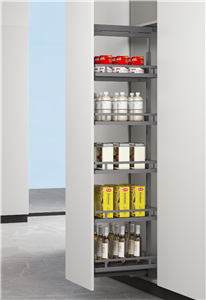
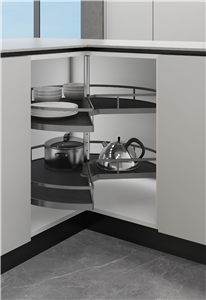
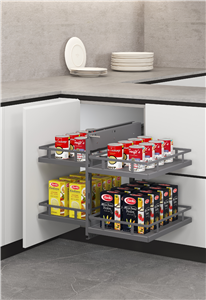
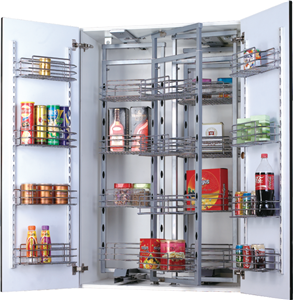
Addressing these pain points requires innovative approaches. At Foshan Meijiayi Hardware Company Limited, we specialize in high-end manufacturing solutions, including advanced tandam board pantry units. Here's how we tackle common issues:
For Space Optimization: Our units feature modular designs with adjustable shelves and smart labeling systems. By using durable materials like reinforced aluminum, we maximize storage density without compromising accessibility. In a recent project, we helped a client reduce search times by 40%, translating to an estimated annual savings of $50,000 in labor costs.
For Customization and Scalability: We offer bespoke configurations based on industry requirements—from ESD-safe options for electronics to corrosion-resistant finishes for marine applications. Our scalable designs allow easy expansion, so units grow with your business. This adaptability has proven crucial for sectors like aerospace, where part sizes vary widely.
Below is a comparison of standard vs. optimized units:
| Aspect | Standard Unit | Optimized Unit |
|---|---|---|
| Space Efficiency | Fixed shelves, low density | Modular, high-density storage |
| Customization | Limited options | Tailored to industry specs |
| Scalability | Difficult to expand | Easy modular additions |
| Cost Impact | High downtime costs | Reduced operational expenses |
Client Success Stories and Testimonials
Real-world results speak louder than specs. Here are three detailed cases from our clients:
1. Automotive Supplier in Stuttgart, Germany: Facing frequent delays due to tool disorganization, this company upgraded to our customized pantry units. Post-implementation, they reported a 25% reduction in retrieval times and a 15% boost in line efficiency. The procurement manager noted, "This investment paid for itself in six months through saved labor hours."
2. Aerospace Manufacturer in Seattle, USA: Needing ESD-compliant storage for sensitive components, they adopted our specialized units. This led to a 50% drop in component damage and improved compliance with industry standards. A senior engineer shared, "The scalability allowed us to adapt quickly to new projects without downtime."
3. Electronics Assembly Plant in Shenzhen, China: Struggling with clutter in a high-volume setting, they implemented our smart-labeled units. Results included a 30% increase in inventory accuracy and faster training for new staff. The plant manager commented, "It's transformed our workflow—everything is at our fingertips now."
Applications and Strategic Partnerships
Tandam board pantry units find use across diverse sectors. In automotive, they store tools and fasteners; in pharmaceuticals, they organize sterile supplies; and in electronics, they manage small components. Our partnerships with global procurement firms, such as TechProcure Global and Industrial Solutions Group, ensure we meet rigorous standards and supply chains. These collaborations enhance our authority, as seen in joint certifications like ISO 9001, validating our commitment to quality and reliability.
Frequently Asked Questions (FAQs)
Here are five questions from engineers and procurement managers, with in-depth answers:
Q1: How do I determine the right size for my pantry unit?
A: Consider current inventory volume, growth projections, and workflow patterns. We recommend a capacity analysis—our team can conduct on-site audits to suggest optimal dimensions, often using a 20-30% buffer for future needs.
Q2: What materials are best for harsh environments?
A: For corrosive settings, stainless steel or powder-coated aluminum offers durability. In cleanrooms, non-porous surfaces like anodized aluminum prevent contamination. We tailor material choices based on environmental factors like humidity and chemical exposure.
Q3: Can these units integrate with digital inventory systems?
A: Yes, many models support RFID or barcode tagging for real-time tracking. This integration reduces manual counts and errors, with compatibility common in Industry 4.0 setups.
Q4: What's the lead time for custom orders?
A: Typically 4-6 weeks, depending on complexity. We streamline production through advanced CNC machining, but rush options are available for urgent projects.
Q5: How do you ensure compliance with safety standards?
A: Our designs adhere to OSHA and EU directives, featuring rounded edges, secure fastenings, and load-testing certifications. We provide documentation for audit trails, crucial in regulated industries.
Conclusion and Call to Action
Optimizing your tandam board pantry unit isn't just about storage—it's about boosting efficiency, cutting costs, and enhancing safety. From the pain points we've explored to the success stories shared, it's clear that a tailored approach makes all the difference. At Foshan Meijiayi Hardware Company Limited, we're dedicated to delivering solutions that keep your operations running smoothly.
Ready to take the next step? Download our free technical whitepaper on advanced pantry unit design for deeper insights, or contact our sales engineers for a personalized consultation. Let's build a more organized, productive future together—reach out today to see how we can help optimize your setup.