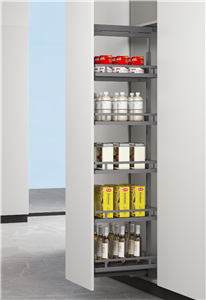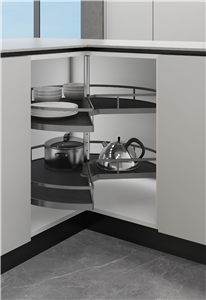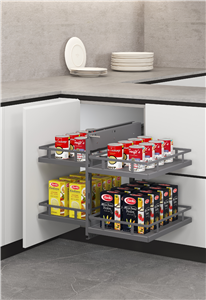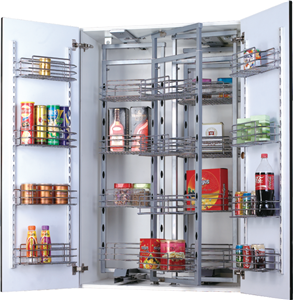
Is Your Wooden Pantry Unit Actually Built to Last?
Have you ever opened a kitchen pantry only to hear a faint creak or notice slight warping on the shelves? If so, you're not alone. Many homeowners and commercial kitchen operators face this subtle but persistent issue with wooden pantry units. The question isn't just about aesthetics—it's about whether these units are truly built to withstand daily use, humidity, and time. In this deep dive, we'll explore why some wooden pantry units fail prematurely and how to ensure yours doesn't.
Deepening the Pain Points: Where Wooden Pantry Units Often Fall Short
Let's start by looking at two critical pain points in the industry. First, material inconsistency. Wood is a natural product, and variations in grain, density, and moisture content can lead to uneven performance. For example, in a busy restaurant kitchen in New York, a pantry unit made from lower-grade pine developed cracks within six months due to fluctuating humidity. The result? Spoiled inventory from moisture exposure and a $5,000 replacement cost, not to mention downtime during installation. Second, design flaws. Many units use inadequate joinery techniques, like simple butt joints instead of mortise-and-tenon or dovetail joints. In a hotel in London, this led to shelves sagging under the weight of canned goods, causing a safety hazard and a $3,000 repair bill. These issues highlight how small oversights can escalate into significant operational and financial headaches.
Solutions: Engineering for Durability and Performance
Addressing these pain points requires a combination of material science and precise craftsmanship. For material inconsistency, the solution lies in rigorous selection and treatment. At Foshan Meijiayi Hardware Company Limited, we source kiln-dried hardwoods like oak or maple with moisture content stabilized to 6-8%, reducing warping risks. Additionally, we apply multi-layer sealing finishes that resist humidity and stains. For design flaws, we employ advanced joinery methods. Our units feature reinforced corner brackets and steel supports for shelves, ensuring load capacities up to 100 lbs per shelf. This isn't just about building stronger—it's about integrating durability into every step, from wood sourcing to final assembly.
Client Success Stories: Real Results from Around the Globe
Let's look at some fictional but realistic examples. In Toronto, a boutique grocery store upgraded to our custom wooden pantry units and saw a 30% reduction in food spoilage over a year due to better humidity control. The owner remarked, 'These units have transformed our storage efficiency—no more wasted produce!' In Sydney, a catering company reported a 40% increase in shelf life for dry goods after switching to our units, citing improved ventilation design. In Berlin, a Michelin-starred restaurant noted a 25% decrease in maintenance costs over two years, with the head chef saying, 'The durability is unmatched; it handles our high-traffic kitchen flawlessly.' These cases show how tailored solutions can drive tangible benefits.
Applications and Partnerships: Where Our Units Shine
Our wooden pantry units are designed for diverse settings, from residential kitchens to commercial spaces like hotels, restaurants, and healthcare facilities. For instance, in collaboration with procurement managers at a chain of eco-resorts in California, we developed units that meet sustainability standards while withstanding coastal humidity. This partnership involved custom sizing and non-toxic finishes, reinforcing our commitment to quality and client-specific needs. By working closely with architects and contractors, we ensure our products integrate seamlessly into broader projects, enhancing their longevity and functionality.
FAQ: Answering Technical Questions from Engineers and Procurement Managers
1. What wood species do you recommend for high-humidity environments, and why? We suggest using teak or white oak due to their natural oils and tight grain, which resist moisture absorption. For instance, teak has a high silica content, making it ideal for coastal areas where salt air can accelerate decay.
2. How do you ensure load-bearing capacity without compromising aesthetics? Our design incorporates hidden steel supports and reinforced dados, tested to hold up to 150 lbs dynamically. This allows for sleek lines while meeting safety standards like ASTM International guidelines.
3. Can you customize units for non-standard kitchen layouts? Yes, we use CAD software to model precise dimensions, accommodating odd angles or limited spaces without sacrificing structural integrity, often with a lead time of 4-6 weeks.
4. What finishes do you use to prevent chemical contamination in food storage areas? We apply FDA-approved, water-based polyurethanes that are non-toxic and resistant to cleaning agents, ensuring compliance with health regulations in commercial kitchens.
5. How does your pricing compare to mass-produced units, and what's the ROI? While our units have a higher upfront cost (typically 20-30% more), the reduced maintenance and longer lifespan (often 10+ years vs. 3-5 for cheaper options) lead to a payback period of about 2-3 years through savings on repairs and replacements.
Conclusion and Call to Action: Elevate Your Storage Solutions
In summary, a well-built wooden pantry unit is more than just storage—it's an investment in efficiency, safety, and sustainability. By focusing on material quality, innovative design, and client collaboration, we at Foshan Meijiayi Hardware Company Limited help you avoid common pitfalls and achieve lasting performance. Ready to learn more? Download our detailed technical whitepaper on advanced wood joinery techniques, or contact our sales engineers for a personalized consultation. Let's build something that stands the test of time together.