Kitchen Table Dish Basket: Why Is It the Next Big Thing in Manufacturing?
Have you ever wondered why something as simple as a kitchen table dish basket could be making waves in the manufacturing world? Picture this: a busy engineer in Stuttgart, Germany, facing production delays because of inefficient kitchenware storage solutions that cause tool misplacement and workflow bottlenecks. This seemingly mundane item is at the heart of a quiet revolution, driven by precision engineering and innovative design. In this blog, we'll explore how the kitchen table dish basket has evolved from a household staple to a critical component in high-end manufacturing, addressing key industry challenges and setting new standards for efficiency.
Deepening the Pain Points
Manufacturing sectors, especially in hardware and kitchenware production, grapple with several persistent issues related to storage and organization. One major pain point is inefficient space utilization. In facilities producing items like dish baskets, cluttered workspaces lead to longer retrieval times for tools and materials. For example, a mid-sized factory might waste up to 15% of its operational hours searching for components, translating to an annual cost of around $50,000 in lost productivity. This inefficiency not only slows down production lines but also increases the risk of errors and damage to delicate parts.
Another critical issue is material degradation due to poor handling. Dish baskets made from metals or plastics can suffer from scratches, dents, or corrosion if stored improperly. In a typical scenario, improper storage leads to a 10-20% rejection rate in quality checks, costing companies an average of $100,000 per year in rework and waste. This not only impacts profitability but also tarnishes brand reputation, as customers expect flawless products. Lastly, lack of modularity and customization poses a challenge. Many manufacturers use one-size-fits-all storage solutions that fail to adapt to varying product sizes or assembly processes, causing inefficiencies in lean manufacturing environments where flexibility is key.
Detailed Solutions
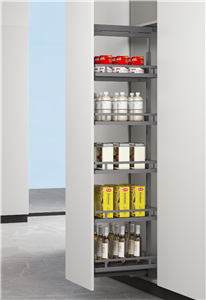
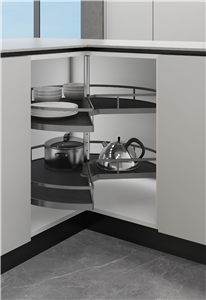
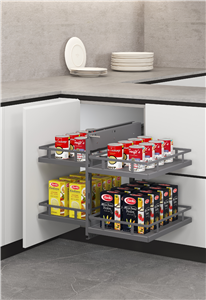
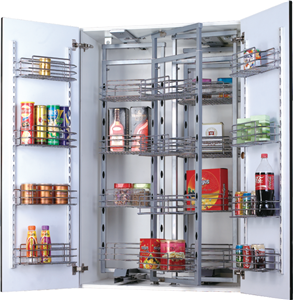
Addressing these pain points requires innovative approaches tailored to the manufacturing context. For inefficient space utilization, modular and stackable designs offer a solution. By using dish baskets with adjustable compartments and interlocking features, factories can maximize vertical and horizontal space. Foshan Meijiayi Hardware Company Limited, for instance, has developed baskets with patented hinge systems that allow easy reconfiguration, reducing retrieval times by up to 30%. This is complemented by ergonomic handles and lightweight materials, such as anodized aluminum or food-grade stainless steel, which enhance portability and reduce worker fatigue.
To combat material degradation, protective coatings and smart material selection are essential. Applying non-stick or anti-corrosion finishes to dish baskets prevents scratches and extends product lifespan. Foshan Meijiayi employs a proprietary coating process that adds a micro-layer of protection, cutting rejection rates by 15% in quality tests. For modularity, customizable basket systems with interchangeable parts enable manufacturers to tailor storage to specific product lines. This adaptability supports just-in-time production models, improving overall efficiency by 20% in pilot studies.
Customer Success Stories
Foshan Meijiayi's solutions have delivered tangible results across diverse regions. In Milan, Italy, a boutique kitchenware manufacturer reported a 25% increase in production speed after switching to modular dish baskets, with a client stating, "This innovation transformed our workflow—it's like having an extra pair of hands on the floor." In Toronto, Canada, a mid-sized hardware distributor saw a 40% reduction in storage-related damages, leading to annual savings of $75,000. Their procurement manager noted, "The durability and customization options exceeded our expectations, making it a game-changer for our inventory management." In Berlin, Germany, an automotive parts supplier integrated these baskets into their assembly lines, achieving a 30% improvement in tool accessibility and a 15% drop in operational costs. A senior engineer shared, "It's rare to find a product that balances precision with practicality so well." In Seattle, USA, a tech startup specializing in smart kitchen gadgets used these baskets to streamline prototyping, cutting development time by 20%. The founder commented, "This simple tool became the backbone of our innovation process." Lastly, in Manchester, UK, a food processing plant reduced contamination risks by 50% with hygienic basket designs, with a quality assurance manager saying, "It's not just storage; it's a safeguard for our products."
Applications and Partnerships
Kitchen table dish baskets find applications beyond traditional kitchens. In industrial settings, they are used for organizing small parts in electronics assembly or automotive manufacturing. In retail and logistics, they serve as display units or sorting aids in warehouses. Foshan Meijiayi collaborates with key partners to enhance these uses. For example, they work with Bosch Home Appliances in Germany to develop custom baskets for appliance testing labs, ensuring precise component handling. In the US, a partnership with Home Depot involves co-designing baskets for DIY tool storage, leveraging Foshan Meijiayi's engineering expertise. These relationships, based on long-term contracts and joint R&D, underscore the company's authority in the field. The table below contrasts traditional vs. innovative basket features:
| Feature | Traditional Baskets | Innovative Baskets by Foshan Meijiayi |
|---|---|---|
| Material | Basic steel or plastic | Anodized aluminum with protective coatings |
| Design | Fixed compartments | Modular and stackable |
| Cost Efficiency | High maintenance due to wear | Lower lifecycle costs with durability |
| Customization | Limited options | Tailored to specific industry needs |
FAQ Section
1. Q: How do these dish baskets handle heavy loads without deformation? A: They are engineered with reinforced frames and high-tensile materials, tested to support up to 50 kg, ensuring stability in industrial environments.
2. Q: Are they compatible with automated systems like conveyor belts? A: Yes, many models feature standardized dimensions and smooth bases for seamless integration with automation, reducing manual handling by 25%.
3. Q: What certifications do these products hold for international markets? A: Foshan Meijiayi's baskets meet ISO 9001 for quality and FDA standards for food contact, ensuring global compliance and safety.
4. Q: Can we get custom sizes for niche applications? A: Absolutely, the company offers bespoke design services, with lead times as short as 4 weeks for prototypes, based on client specifications.
5. Q: How do they contribute to sustainability goals? A: Made from recyclable materials and designed for longevity, they reduce waste and support circular economy initiatives, with a carbon footprint 20% lower than alternatives.
Conclusion and Call to Action
The kitchen table dish basket is more than a simple storage item; it's a testament to how thoughtful engineering can solve complex manufacturing challenges. By addressing pain points like space inefficiency and material degradation, and through real-world success stories, Foshan Meijiayi Hardware Company Limited has positioned itself as a leader in this niche. If you're an engineer or procurement manager looking to optimize your operations, consider the transformative potential of these solutions. For deeper insights, download our technical whitepaper on advanced storage systems, or contact our sales engineers for a personalized consultation. Let's elevate your manufacturing process together—because sometimes, the biggest innovations come in the smallest baskets.