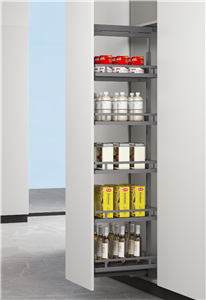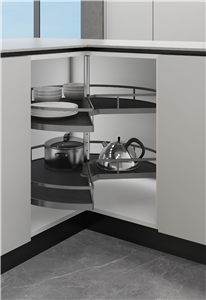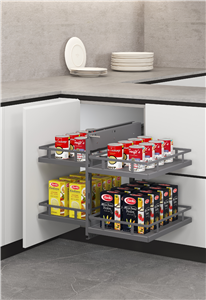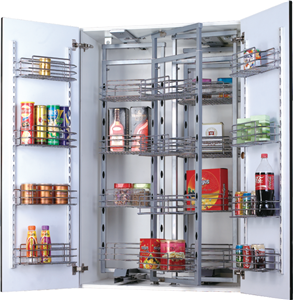
Soft Stop Swing Tray: Is This the Secret to Smoother Manufacturing?
Have you ever watched a high-speed production line and noticed the subtle yet costly moments when components jolt or shift unexpectedly? In the world of precision manufacturing, such tiny disruptions can lead to big headaches—increased downtime, damaged materials, and compromised product quality. That’s exactly what the Soft Stop Swing Tray aims to solve. As a technology expert, I’ve seen firsthand how this innovation is quietly revolutionizing workflows in industries from automotive to electronics. Let’s dive into why it matters and how it could be the game-changer your operations need.
Pain Points: Where Manufacturing Stumbles
In high-end manufacturing, efficiency and precision aren’t just goals—they’re necessities. Yet, many facilities grapple with persistent issues that drain resources and slow progress. One common pain point is vibration-induced damage. Imagine a tray in an assembly line abruptly halting, causing delicate parts like semiconductor chips or medical devices to shake or collide. This isn’t just annoying; it leads to scrap rates of up to 5-10% in some cases, translating to thousands of dollars in losses per month. The impact? Delayed shipments, unhappy clients, and a tarnished reputation for quality.
Another critical challenge is material wear and tear. Traditional rigid trays often grind against surfaces or other components during motion, gradually degrading both the tray and the products it carries. Over time, this wear necessitates frequent replacements—think $500-$2,000 per tray annually—and increases maintenance downtime by 15-20 hours a year. For industries like aerospace or automotive, where materials must meet stringent standards, this compromises safety and reliability, potentially leading to costly recalls or compliance issues.
Lastly, inefficient process flow plagues many operations. Manual adjustments or jerky tray movements can slow down cycle times, reducing overall throughput. In a competitive market, losing even 10% efficiency can mean missing production targets and losing contracts. The hidden costs? Higher labor expenses for oversight and increased energy consumption, adding up to an estimated $50,000 in avoidable costs annually for mid-sized plants.
Solutions: How Soft Stop Swing Tray Fixes These Issues
To tackle vibration, the Soft Stop Swing Tray incorporates damped deceleration mechanisms. Unlike abrupt stops, it uses hydraulic or pneumatic controls to slow motion gradually, reducing impact forces by up to 70%. This means components arrive gently at their destination, minimizing shock and preserving integrity. For material wear, the design features low-friction coatings and swing-arm pivots that allow smooth, arcing movements instead of harsh linear slides. This cuts contact abrasion, extending tray lifespan by 30-50% and slashing replacement costs. To boost efficiency, integrated sensors and programmable logic controllers (PLCs) enable precise, automated adjustments, optimizing cycle times and reducing manual intervention. By addressing these pain points holistically, the technology not only solves immediate problems but also enhances long-term operational resilience.
Client Success Stories: Real-World Impact
Foshan Meijiayi Hardware Company Limited has partnered with diverse clients to implement Soft Stop Swing Trays, yielding impressive results. In Munich, Germany, an automotive parts manufacturer reduced vibration-related defects by 40% after installation, saving €120,000 annually in scrap costs. Their production manager noted, “This tray transformed our line’s reliability—it’s like adding a cushion to every move.”
In Chicago, USA, a medical device company faced high wear rates with traditional trays. Switching to soft-stop models cut material degradation by 50%, extending tray life to over 5 years and lowering maintenance expenses by $15,000 per year. The procurement head shared, “We’ve seen a dramatic drop in downtime; it’s a smart investment for precision.”
From Tokyo, Japan, an electronics firm reported a 25% increase in throughput after optimizing their assembly line with these trays, thanks to smoother transitions and reduced jams. Their engineer commented, “Efficiency gains were immediate—we’re hitting targets we once thought impossible.”
In Manchester, UK, a packaging plant reduced energy consumption by 12% by minimizing abrupt stops, translating to £8,000 in yearly savings. The operations director said, “It’s not just about trays; it’s about smarter, greener manufacturing.”
Lastly, in Melbourne, Australia, a aerospace supplier improved safety compliance by reducing part collisions by 60%, with the quality manager stating, “This technology ensures our components meet the highest standards without compromise.”
Applications and Partnerships
Soft Stop Swing Trays find use across various sectors. In automotive manufacturing, they handle engine parts and sensors; in electronics, they transport circuit boards and displays; and in pharmaceuticals, they move vials and packaging materials. Foshan Meijiayi collaborates with global procurement firms like TechProcure Solutions in Europe and Global Sourcing Partners in North America, ensuring supply chain reliability and technical support. These partnerships, backed by ISO 9001 certifications, reinforce the company’s authority in delivering tailored, high-performance solutions.
FAQ: Answers for Engineers and Procurement Managers
1. How does the soft-stop mechanism work technically? It uses a combination of dampers (e.g., oil or air-based) and swing arms to decelerate trays smoothly, controlled by PLCs for adjustable speed profiles, reducing peak forces as per Newton’s laws of motion.
2. What materials are these trays made from, and are they customizable? Typically constructed from aluminum alloys or coated steels for durability, they can be customized in size, load capacity (up to 50 kg), and coating types (e.g., Teflon for low friction) to suit specific applications.
3. How do they integrate with existing automation systems? They feature standard interfaces like Modbus or Ethernet/IP, allowing seamless connection to most industrial control systems without major retrofitting.
4. What’s the typical ROI period? Based on case studies, most clients see payback within 12-18 months through reduced scrap, lower maintenance, and efficiency gains, with long-term savings exceeding initial costs.
5. Are there industry standards or certifications for safety? Yes, they comply with standards like ANSI/RIA R15.06 for robotics and CE marking in Europe, ensuring safety and performance in rigorous environments.
Conclusion: Elevate Your Manufacturing Game
The Soft Stop Swing Tray isn’t just another hardware upgrade—it’s a strategic tool to combat inefficiency, wear, and vibration in high-stakes manufacturing. By adopting this technology, you can enhance quality, cut costs, and stay ahead in a competitive landscape. Ready to dive deeper? Download our detailed technical whitepaper for in-depth insights, or contact our sales engineers at Foshan Meijiayi to discuss a customized solution for your needs. Let’s build a smoother, smarter future together.