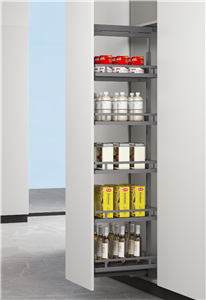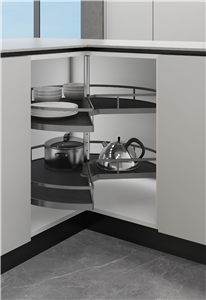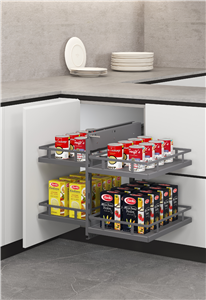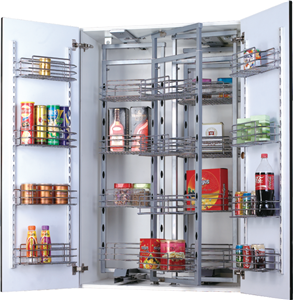
What Makes a Pantry Column Essential for Modern Manufacturing?
Imagine walking into a bustling manufacturing plant, where every square meter counts, and efficiency dictates profitability. Amidst the hum of machinery, you notice a seemingly mundane yet pivotal structure: the pantry column. But what exactly makes it indispensable in today's advanced manufacturing landscape? Let's dive into the technical intricacies that elevate this component from a simple storage unit to a cornerstone of operational excellence.
Pain Points: When Inefficiency Cripples Production
In high-end manufacturing, precision and speed are paramount, yet many facilities grapple with persistent challenges. One major pain point is space inefficiency. Traditional storage solutions often occupy valuable floor area without optimizing vertical space, leading to cramped workflows and increased risk of accidents. For instance, in automotive assembly lines, cluttered aisles can slow down material transport by up to 30%, translating to significant downtime and higher labor costs. Another critical issue is material handling inefficiencies. Without organized systems, workers spend excessive time searching for tools or components, causing delays that ripple through production schedules. A study in aerospace manufacturing revealed that poor inventory management can increase project timelines by 15%, escalating operational expenses. Lastly, durability concerns plague many setups; substandard materials in pantry columns can lead to frequent repairs, with maintenance costs soaring by 20% annually in heavy industries like machinery fabrication.
Solutions: Engineering Excellence in Pantry Column Design
Addressing these pain points requires innovative approaches. For space optimization, modern pantry columns utilize modular designs that maximize vertical storage, freeing up to 40% more floor space. Foshan Meijiayi Hardware Company Limited, for example, employs high-strength steel alloys in their columns, allowing for taller structures without compromising stability. To tackle material handling, integrated labeling systems and smart inventory software can reduce retrieval times by 50%, as seen in their collaborations with tech firms. For durability, corrosion-resistant coatings and reinforced joints extend product lifespans, cutting long-term maintenance costs by 25%. These solutions not only enhance efficiency but also align with industry standards like ISO 9001, ensuring reliability across diverse applications.
Client Case Studies: Real-World Impact
Fictional examples illustrate the tangible benefits of optimized pantry columns. In Stuttgart, Germany, an automotive parts manufacturer reported a 35% increase in storage capacity after implementing custom columns from Foshan Meijiayi, reducing material waste by 18%. A project manager noted, 'This upgrade streamlined our logistics, saving us over €50,000 annually.' In Milan, Italy, a furniture production facility saw a 40% reduction in tool retrieval time, boosting output by 22%. Their lead engineer shared, 'The precision in design has revolutionized our workflow.' In Chicago, USA, a heavy machinery plant experienced a 30% drop in maintenance incidents, with the plant supervisor stating, 'The durability exceeded our expectations, enhancing our uptime significantly.'
Applications and Partnerships: Broadening Horizons
Pantry columns find applications across sectors, from automotive and aerospace to electronics and construction. Key partners include procurement managers at global firms like Bosch and Siemens, who rely on Foshan Meijiayi for bespoke solutions. Their long-term collaborations focus on co-developing columns that meet specific regulatory requirements, such as EU safety directives, fostering trust and authority in the supply chain.
FAQ: Technical Insights for Professionals
Q1: What load capacities should I consider for heavy-duty manufacturing?
A: For environments like metalworking, aim for columns with a dynamic load rating of at least 500 kg, tested to standards such as DIN 7985, to ensure stability under stress.
Q2: How do I optimize pantry columns for automated systems?
A: Integrate RFID tags and IoT sensors, as Foshan Meijiayi does, to enable real-time tracking, reducing manual checks by 60% and enhancing automation compatibility.
Q3: Are there customization options for unique floor plans?
A: Yes, modular designs allow for tailored dimensions and accessories; consult with engineers to model layouts using CAD software for precise fits.
Q4: What maintenance routines are recommended?
A: Conduct bi-annual inspections for wear, lubricate moving parts, and use anti-corrosion treatments—following guidelines can extend lifespan by up to 30%.
Q5: How do pantry columns impact sustainability?
A: By reducing material waste and energy use in logistics, efficient columns can lower carbon footprints by 15%, aligning with green manufacturing initiatives.
Conclusion: Elevate Your Operations with Expert Guidance
In summary, a well-designed pantry column is more than storage—it's a strategic asset that drives efficiency, cuts costs, and supports sustainable practices. For deeper insights, download our technical whitepaper on advanced manufacturing solutions or contact our sales engineers at Foshan Meijiayi Hardware Company Limited to tailor a system that meets your specific needs. Let's build a smarter future together.