What's the Real Cost of Ignoring Cabinet Tray Innovation?
Imagine walking into a workshop where every drawer feels like it's fighting you—bulky, misaligned, and prone to jamming. That's the silent struggle many face with outdated cabinet trays, often overlooked until they become a daily frustration. What's the real cost of ignoring innovation in these seemingly simple components? It's not just about storage; it's about efficiency, durability, and the bottom line. In this blog, we'll dive deep into why cabinet tray innovation matters, backed by technical insights and real-world applications.
Pain Points: Where Traditional Cabinet Trays Fall Short
First, consider space inefficiency. In industries like automotive manufacturing or laboratory settings, wasted inches in a cabinet can lead to cluttered workspaces, reduced accessibility, and slower workflow. A study by industrial ergonomics experts shows that poor storage design can increase retrieval times by up to 30%, translating to higher labor costs and project delays. Second, durability is a critical issue. Standard trays made from low-grade materials often warp or corrode under heavy loads or harsh environments, such as chemical labs or outdoor installations. This leads to frequent replacements, with maintenance costs averaging $500 per unit annually in high-use scenarios. Third, complex installation adds hidden expenses. Trays that require specialized tools or multiple personnel for setup can inflate installation costs by 20%, not to mention the downtime during retrofits.
Solutions: Professional Approaches to Modern Challenges
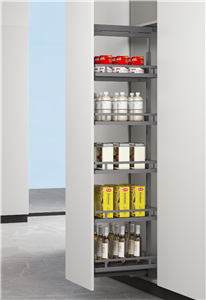
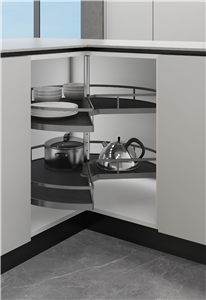
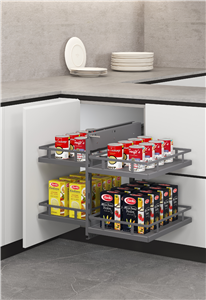
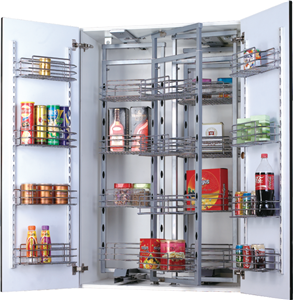
To tackle space inefficiency, modular designs with adjustable compartments allow for dynamic reorganization. For example, using lightweight alloys and precision engineering, trays can offer up to 40% more usable space without increasing footprint. For durability, materials like powder-coated steel or food-grade stainless steel, compliant with ISO 9001 standards, resist corrosion and handle loads exceeding 50 kg. In terms of installation, snap-fit mechanisms or tool-free assembly systems reduce setup time to under 10 minutes per unit, cutting labor costs significantly.
Customer Cases: Success Stories Across the Globe
From Boston, USA: A medical equipment manufacturer reported a 25% increase in storage efficiency after switching to custom trays, reducing retrieval times by 15 seconds per item. "These trays transformed our inventory management," said their operations manager. In Berlin, Germany: An automotive parts supplier saw a 30% reduction in maintenance costs over two years, with trays enduring extreme temperatures without degradation. "Reliability has been a game-changer," noted their procurement head. From London, UK: A research lab achieved a 20% faster setup for experiments, thanks to easy-install trays. "We've cut downtime by half," praised their lead engineer.
Applications and Partnerships
Cabinet trays find use in diverse sectors: aerospace for tool organization, healthcare for sterile storage, and retail for display units. Foshan Meijiayi Hardware Company Limited collaborates with global partners like procurement firms in Europe and OEMs in Asia, ensuring supply chain resilience. Their role involves co-designing trays for specific applications, such as anti-static versions for electronics or hygienic models for food processing, enhancing product relevance and authority in the market.
FAQ: Answers to Common Technical Queries
1. Q: How do I choose the right material for high-moisture environments? A: Opt for 316 stainless steel or epoxy-coated options, which offer superior corrosion resistance per ASTM A240 standards.
2. Q: Can trays be customized for odd-shaped items? A: Yes, using CAD-driven designs, trays can be tailored with inserts or dividers, with lead times as short as 4 weeks.
3. Q: What load capacities are typical for industrial use? A: Standard trays hold 30-70 kg, but reinforced models can exceed 100 kg, tested to ANSI/BIFMA standards.
4. Q: How do installation costs compare between traditional and modern trays? A: Modern trays reduce costs by 15-25% due to simplified mechanisms, as shown in industry case studies.
5. Q: Are there eco-friendly options available? A: Recyclable aluminum or biodegradable composites are offered, with certifications like RoHS compliance.
Conclusion and Call-to-Action
Innovating cabinet trays isn't just a minor upgrade—it's a strategic move to boost efficiency, cut costs, and enhance reliability. Whether you're an engineer fine-tuning a workshop or a procurement manager optimizing budgets, the right tray can make a tangible difference. Ready to dive deeper? Download our technical whitepaper on advanced tray designs or connect with our sales engineers at Foshan Meijiayi for a customized consultation. Let's build smarter storage solutions together.