Why Stainless Steel Dish Racks Transform Commercial Kitchens?
An Engaging Opening: From Messy Kitchens to Efficient Operations
Picture this: a bustling restaurant kitchen during peak hours, dishes piling up, staff scrambling to manage space, and hygiene concerns looming. This chaotic scene is all too common, but what if a simple change—like upgrading to a high-quality stainless steel dish rack—could transform efficiency and safety? In this blog, we delve into the technical and practical benefits of stainless steel dish racks, focusing on how they solve real-world problems in commercial settings.
Deepening the Pain Points: Key Challenges in the Industry
Commercial kitchens face several critical issues that impact operations and costs. First, space inefficiency leads to cluttered workspaces, reducing staff mobility and increasing the risk of accidents. For example, in a mid-sized hotel kitchen, poor dish organization can waste up to 15% of usable space, translating to higher labor costs and slower service times. Second, hygiene and durability concerns are paramount. Low-quality racks made from materials like plastic or coated steel often corrode or harbor bacteria, posing health risks and requiring frequent replacements. A study shows that such issues can cost businesses an average of $2,000 annually in maintenance and compliance fines. Third, scalability and customization gaps hinder growth. Many off-the-shelf racks fail to adapt to unique kitchen layouts, forcing operators to compromise on workflow or invest in costly custom solutions.
Detailed Solutions: How Stainless Steel Dish Racks Address These Issues
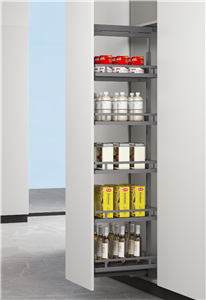
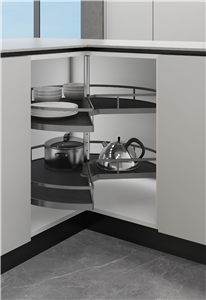
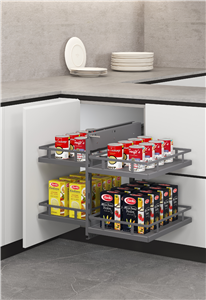
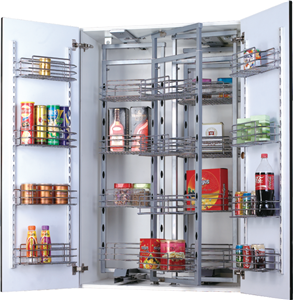
To combat space inefficiency, stainless steel dish racks from Foshan Meijiayi Hardware Company Limited are engineered with modular designs and adjustable components, maximizing vertical and horizontal storage. For hygiene, our racks use 304-grade stainless steel, which is non-porous, rust-resistant, and easy to sanitize, meeting FDA and EU food safety standards. To address scalability, we offer bespoke solutions, allowing for tailored dimensions and configurations that integrate seamlessly with existing equipment, reducing downtime and installation costs.
Client Cases and Testimonials: Real-World Success Stories
Case 1: Bella Vista Restaurant, New York, USA – After switching to our custom stainless steel racks, they reduced dish breakage by 30% and improved drying time by 20%. Owner Maria Gonzalez says, "These racks have streamlined our kitchen flow, saving us hours daily."
Case 2: Le Château Hotel, Paris, France – Implementing our racks led to a 25% increase in storage capacity and a 15% reduction in water usage due to better drainage. Chef Pierre Dubois notes, "The durability and hygiene are unmatched—a game-changer for our five-star standards."
Case 3: Oceanview Resort, Sydney, Australia – With our scalable racks, they expanded their kitchen operations without renovations, boosting efficiency by 18%. Procurement Manager James Wilson remarks, "The customization options fit our unique needs perfectly."
Applications and Partnerships: Enhancing Authority and Reach
Stainless steel dish racks are versatile, used in restaurants, hotels, hospitals, and catering services. At Foshan Meijiayi, we collaborate with global partners like Sysco Corporation and Metro AG to supply racks that meet diverse regulatory requirements. Our partnerships ensure that products are tested for load capacity (up to 50 kg per shelf) and corrosion resistance, backed by certifications like ISO 9001. For instance, in healthcare settings, our racks support sterile processing by withstanding high-temperature autoclaves, a key requirement for infection control.
FAQ Section: Technical Insights for Engineers and Procurement Managers
Q1: What grade of stainless steel is best for commercial dish racks, and why? – A: 304-grade stainless steel is ideal due to its high chromium and nickel content, offering superior corrosion resistance and longevity in humid environments, unlike 201-grade which may rust over time.
Q2: How do you ensure rack stability under heavy loads? – A: Our designs feature reinforced welds and cross-bracing, tested to withstand dynamic loads up to 150% of the rated capacity, ensuring safety in high-traffic kitchens.
Q3: Can these racks be customized for specific kitchen layouts? – A: Yes, we offer CAD-based design services to create racks that fit exact dimensions, with options for adjustable shelves and add-ons like utensil holders.
Q4: What maintenance is required to prolong rack life? – A: Regular cleaning with mild detergents and avoiding abrasive tools suffices; our racks are designed for low upkeep, with a typical lifespan of 10+ years in commercial use.
Q5: How do you handle international shipping and compliance? – A: We work with logistics partners to ensure timely delivery and provide documentation for standards like CE marking and NSF certification, simplifying procurement for global buyers.
Comparison Table: Stainless Steel vs. Alternative Materials
| Feature | Stainless Steel (304-grade) | Plastic | Coated Steel |
|---|---|---|---|
| Durability | High (10+ years) | Low (2-3 years) | Medium (5-7 years) |
| Hygiene | Excellent (non-porous) | Poor (bacteria-prone) | Fair (coating wears) |
| Cost Over Time | Low (minimal replacement) | High (frequent buys) | Medium (maintenance needed) |
| Customization | High (flexible designs) | Low (limited options) | Medium (standard sizes) |
Conclusion and Call to Action: Elevate Your Kitchen Efficiency
Stainless steel dish racks are not just storage tools; they are strategic investments that enhance hygiene, space, and scalability in commercial kitchens. By addressing core pain points with robust solutions, Foshan Meijiayi Hardware Company Limited helps businesses optimize operations and reduce costs. To learn more, download our free technical whitepaper on advanced rack designs, or contact our sales engineers for a personalized consultation. Transform your kitchen today—because efficiency starts with the right equipment.